
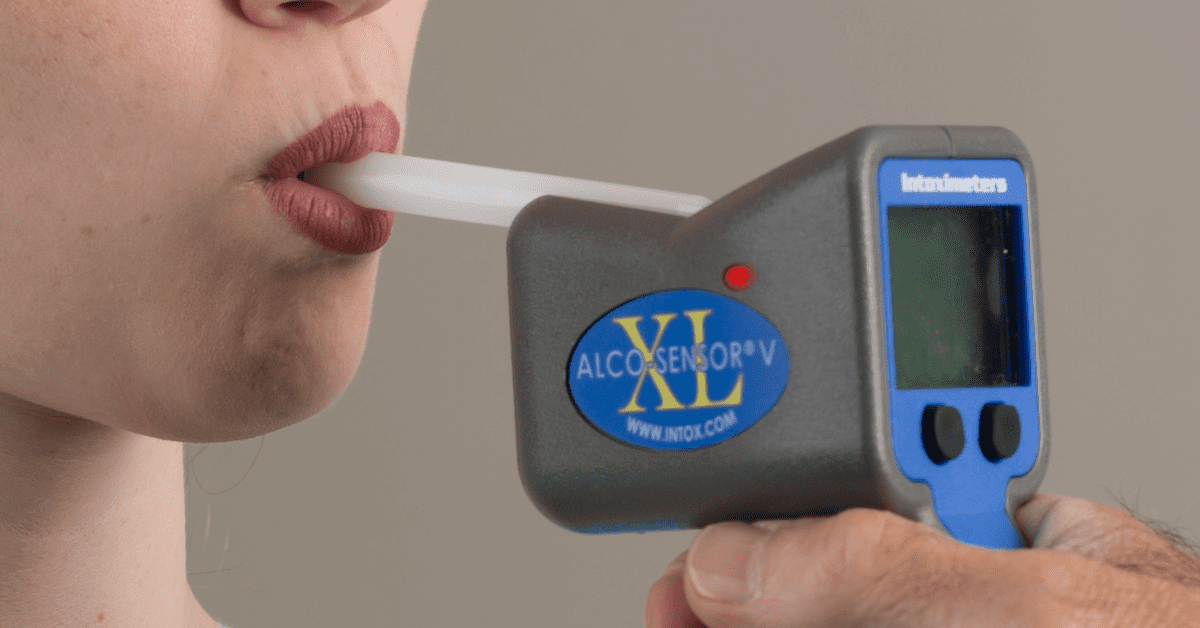
The Department of Transportation mandates strict protocols for workplace alcohol tests for safety-sensitive roles. These regulations help maintain a secure environment for employees and the public. Compliance with these rules is not optional; it is a federal requirement for many industries.
Employers face penalties, and employees may experience unjust career repercussions from inaccurate results. Understanding the top errors in DOT alcohol testing and how to avoid them is the first step toward prevention and complete compliance. These errors often originate from simple oversights, inadequate preparation, or a lack of training and knowledge.
Proper adherence to procedures protects your company, your employees, and your operational integrity. A well-executed testing program fosters a culture of safety and responsibility within any organization. This ensures a fair and accurate process for all personnel who must undergo this evaluation.
Improper Device Calibration
Alcohol screening test devices (ASD) and evidential breath testers (EBT) require regular calibration, also referred to as accuracy checks, to consistently deliver accurate results. Technicians must perform accuracy checks according to the schedule specified by the manufacturer and DOT regulations. Failure to follow the manufacturers calibration schedule and calibrate the device properly can produce false readings and compromise test validity.
Each calibration event requires meticulous documentation for the device’s official record. This log demonstrates consistent adherence to maintenance protocols over the long term. Auditors will review these records to confirm your program’s compliance with federal rules. Some devices even store the calibration and maintenance information internally. However, DOT requires handwritten documentation to be compliant.
Incorrect Use of the Alcohol Test Form
The Alcohol Test Form is a critical document for every single test event. Breath Alcohol Technicians (BAT) must fill out each section of the form with precisions and accuracy. Omissions or mistakes in data entry can invalidate the entire test process, canceling the test.
The form tracks the test from initiation through completion, which establishes a clear record. All parties involved must review the form for accuracy. This simple step prevents many common documentation errors that could cause serious problems.

Inadequate Technician Training
Technicians must possess complete knowledge of all DOT alcohol test protocols and procedures. They need certification as either a Screening Test Technician (STT) or a Breath Alcohol Technician (BAT) in order to perform a DOT alcohol test. This ensures they can operate the specific test device used at the collection site.
With proper alcohol testing training, you can ensure positive outcomes for your program. Technicians must also complete refresher courses every five years to stay current on any regulation changes and continue performing DOT alcohol tests.
Failure to Observe the Wait Period
A required 15-minute wait period must precede every confirmation test for a positive screening test. This time allows any residual mouth alcohol to dissipate before the next analysis. The technician must observe the employee closely to prevent any consumption of substances.
This period is a mandatory component of the test protocol for specific situations. Skipping this step or shortening its duration constitutes a serious procedural flaw. Such a flaw will lead to the cancellation of the test.
Mishandling Shy Lung Situations
In the case of a breath alcohol test, some employees may be unable to provide a sufficient breath sample for analysis. Technicians must follow a specific procedure when a “shy lung” event happens. In the event the employee struggles to provide enough breath to trigger the breathalyzers automatic breath sampling feature, the technician could use the device’s manual feature to collect a sample. If manual breath sampling is not successful, the employee is required to undergo a medical evaluation to determine if a medical condition prevented them from providing enough breath.
A technician should not simply assume the employee refuses to cooperate with the request. They need to document the event carefully and follow the next required steps. Correct management of this situation protects the employee’s rights and the employer.
Misinterpretation of Test Results
Technicians must understand the specific alcohol concentrations that define a positive DOT test. A screening test result of 0.020 or greater requires a confirmation test to verify the result. A result of 0.040 or greater on a confirmation test is a DOT rule violation. A result of .020 to .039 on a confirmation test is still considered positive that triggers lesser consequences, depending upon the governing DOT agency.
One of the most common errors in DOT alcohol testing is confusing these thresholds, which can lead to the employer taking incorrect actions. Clear knowledge of the rules prevents these unfortunate and avoidable administrative errors.
Breach of Employee Confidentiality
All information related to an employee’s alcohol test is confidential and must be kept separate from employment records for a duration of time as specified by the regulations. Access to these records must have limitations, and only authorized personnel can access them on a need-to-know basis. Technicians and employers must protect this sensitive information from any unauthorized disclosure.
Violations of confidentiality can result in legal action against the company and its staff. Secure storage of records, physical and digital, is an absolute necessity. A strong policy helps build trust and shows respect for employee privacy rights.

Incomplete or Missing Documentation
Every step of the alcohol testing process requires thorough, accurate documentation. This includes device calibration logs, technician training records, and the Alcohol Test Form. Without a complete paper trail, a test result may be difficult to defend.
Auditors and legal professionals will scrutinize these records for any gaps or inconsistencies. Maintain organized and complete files to demonstrate your program’s full regulatory compliance. This simple habit will save you from major headaches during an official review.
Failure to Act on Positive Results
A confirmed positive test result necessitates immediate action from the employer. The employer must remove the employee from any safety-sensitive duties at once. This swift response is a core component of DOT regulations to protect public safety.
Delay in this action exposes the company to immense liability and regulatory penalties. Depending upon the confirmation test result, the employer will take specific actions. Alcohol confirmation test results of .020 – .039 will require the company’s DER to remove the employee from safety duties for a period of time as specified in the DOT regulations. Alcohol confirmation test results of .040 or greater require the DER to refer the employee to a Substance Abuse Professional. This initiates a formal return-to-duty process that the employee must successfully complete.
Lack of a Clear Company Policy
Every company must have a written policy that outlines its DOT drug and alcohol program. This document should clearly explain the rules, procedures, and consequences for violations. All safety-sensitive employees should receive and acknowledge receipt of this important policy.
The policy serves as a foundation for all program activities and decisions. It ensures the consistent application of the rules for all employees. A well-defined policy reduces confusion and helps establish a culture of compliance.
Adherence to Department of Transportation alcohol test regulations is not just about compliance; it is about a fundamental commitment to workplace and public safety. These errors, from equipment mistakes to documentation lapses, are entirely avoidable; they often stem from a simple lack of awareness or attention to detail. A proactive approach to training, policy, and procedure can eliminate these risks.
Employers should view their test programs as an investment in their company’s future. You can build a robust, defensible, and effective program with the right focus. Prioritize continuous education for your technicians and clear communication with your employees to protect your business, support your workforce, and uphold your safety obligations.