

The Department of Transportation (DOT) mandates strict rules for drug and alcohol tests across regulated industries. These federal regulations ensure public safety on our roads, rails, and skies. Every specimen collector must follow precise steps to maintain the integrity of the testing process.
Errors in specimen collection procedures can lead to test cancellations or legal challenges for employers. Proper training is the foundation for any professional who performs these sensitive and vital tasks. Without rigorous preparation, collectors might miss small details that have significant consequences for everyone involved.
The best practices for DOT specimen collector training include handling donors, managing paperwork, understanding the regulations – 49 CFR Part 40, and securing the collection site. Attention to detail protects the donor’s rights and the employer’s interests at all times. Mastery of these protocols establishes trust in the entire federal drug testing safety program.
Master the Federal Custody and Control Form
You must understand every section of the Federal Custody and Control Form for accuracy. This document tracks the specimen from the initial collection point to the laboratory analysis to the review and final verification by the Medical Review Officer. A single error on this form may causes the lab to reject the sample and the collector to undergo correction training.
Collectors need to review the form before the sample bag is sealed and before the donor leaves the collection site area. Incomplete forms create delays that frustrate employers and employees who need quick results. Always double-check the printed information to ensure it matches the donor’s identification data.
Verify Identification Protocols
Strict adherence to identification protocols prevents the substitution or adulteration of the provided specimen. You must ask every donor who arrives for a test to show the proper photo identification. Acceptable forms can include a driver’s license or an employee badge issued by the employer.
If the donor lacks proper identification, you must contact the employer representative for verification. Do not proceed with the collection until you confirm the identity of the individual. This step protects the process against fraud and ensures testing the correct person.
Secure the Collection Site Environment
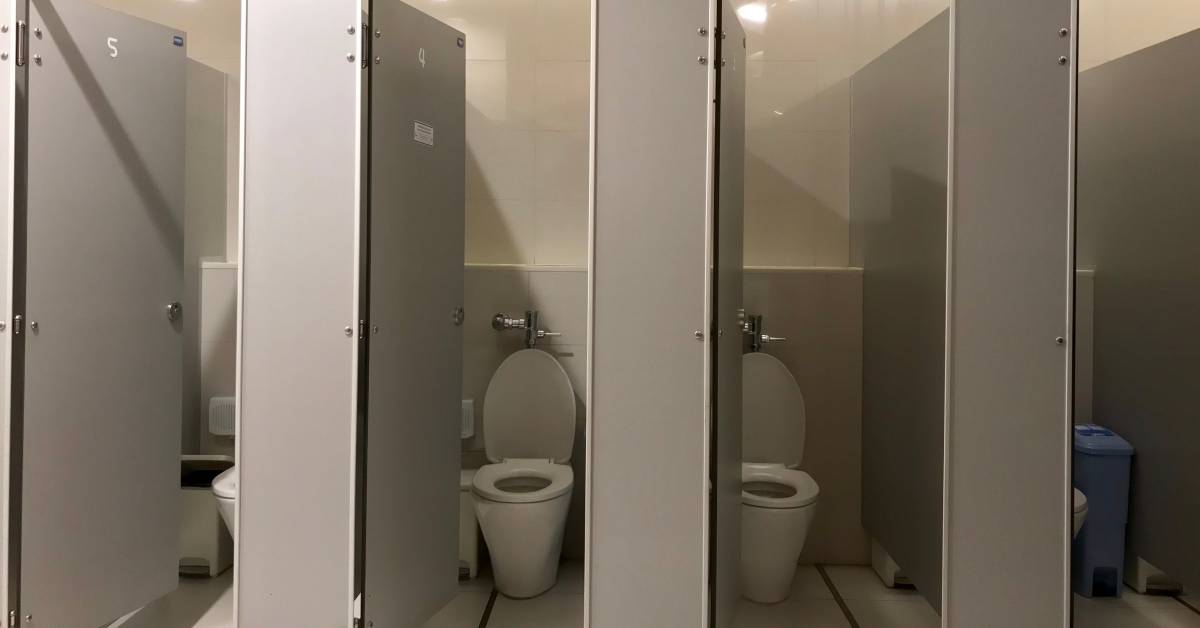
You must secure the restroom to prevent unauthorized access to water or potential adulterants. Turn off the water source or tape handles using tamper evident tape to stop the flow of water. Add a bluing agent to the toilet bowl and tank to deter sample dilution.
Remove all trash cans and soap dispensers that could hide contraband or alter samples. Inspect the area before and after each collection to ensure site integrity remains intact. A secure site remains the first line of defense against cheating on tests. You may also need to tape ceiling tiles if they are accessible to conceal items during the collection.
Explain the Collection Process Clearly
Communication helps the donor feel at ease and reduces the likelihood of nervous mistakes. You should explain the basic steps of the collection process before you begin work. Clear instructions help the donor understand what you expect from them during the visit.
Ask the donor to remove outer garments, such as coats and hats, before the collection. Request that they empty their pockets and display the contents for a visual inspection. If the donor refuses, this can constitute a refusal to test.
With our DOT specimen collector certification, you can learn these communication techniques to improve compliance.
Handle the Specimen with Extreme Care
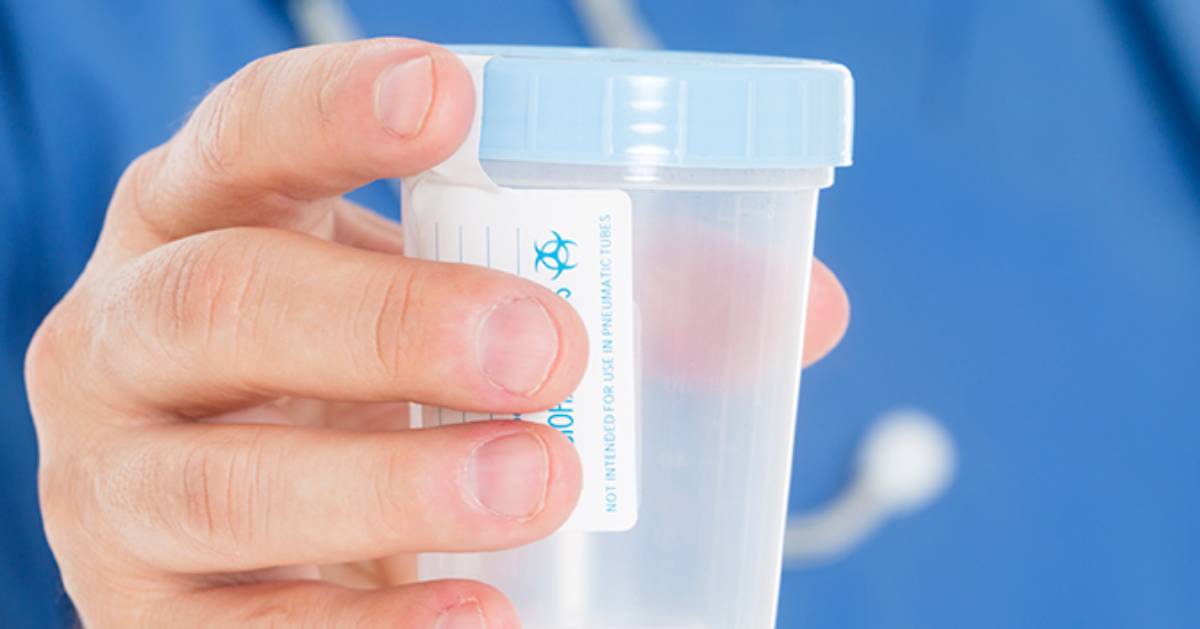
Keep the specimen cup in full view of the donor at all times properly. You must check the temperature strip on the collection cup within four minutes from the time they urinate in the cup. The temperature should read between 90 and 100 degrees Fahrenheit for acceptance.
Pour the urine into two separate bottles and seal both bottles in front of the donor with the tamper seals from the CCF to prove no tampering occurred there. Show the donor the matching specimen ID number appearing on the seals and on the CCF. This transparency builds confidence in the system and protects you from accusations of misconduct. The collector dates the seals and then the donor is required to initial the security seals once they are attached to the specimen bottles. Never allow the donor to initial the security seals while they are attached to the CCF.
Complete the Chain of Custody
The chain of custody represents the legal record of who handled the specimen bottle. You must sign and date the form to certify you collected the sample correctly. The donor must also sign the form to confirm the specimen belongs to them.
Place the sealed bottles and the top copy (Copy 1 – Laboratory), of the form in the bag. Seal the bag securely to prepare it for shipment to the certified laboratory facility. Any break in this chain renders the test invalid and requires a new collection.
Address “Shy Bladder” Situations Correctly
Some donors cannot provide enough urine immediately due to anxiety or physical medical conditions. You must urge the donor to drink up to forty ounces of fluid reasonably spread out. They have up to three hours to provide a sufficient specimen for the test.
Monitor the donor during this wait period to ensure they do not leave the site. If they fail to provide a sample within the 3-hour timeframe, you must stop the testing process then. Document the event and notify the employer that the donor was unable to give a sample.
Manage Refusals to Test Appropriately
A refusal to test carries the same consequences as a positive drug test result. You must document any behavior that constitutes a refusal, such as leaving the collection site. Inform the donor that their actions count as a refusal under federal DOT regulations. Always document the donor’s behavior or actions that constitute a refusal to test in the remarks section of the CCF.
Contact the designated employer representative immediately to report the refusal incident for their records, sending the employer’s copy of the CCF with your note documenting the employee’s behavior. Do not attempt to force the donor to stay or provide a specimen physically. Your role is to document the facts and communicate them to the proper authorities.
Maintain Confidentiality and Professionalism
One of the best practices for DOT specimen collection is to respect the privacy of the donor throughout the entire collection and documentation process. Do not discuss the test results or the reason for the test with others. Keep all records secure and out of sight from other donors or unauthorized staff.
Professional conduct builds trust and ensures the donor feels respected during a stressful time. Avoid casual conversation that could distract you or the donor from the required procedures. Focus on the task to ensure accuracy and compliance with all federal testing standards.
Correct Flaws and Errors
Learn to identify errors that you can correct and those that are fatal flaws. A fatal flaw, like a collector’s missing signature and printed name on the CCF, will cause the lab to reject it and cancel the test. In the case of a correctable flaw, like a collector’s missing signature only, you must submit a memorandum for the record to correct the minor error. The collector must correct any correctable flaw on the same day the notification flaw was received or within 24 hours.
Review your work immediately before you separate the CCF copies and the donor leaves the collection site to catch mistakes before shipping samples. Prompt correction of recoverable errors in view of the donor saves time and money for the employer and donor. Continuous review of your own work habits prevents these issues from becoming a pattern.
The role of a specimen collector demands focus, integrity, and strict adherence to rules. From the initial greeting to the final seal on the bag, every step matters. Mistakes in this field disrupt careers and compromise safety in the transportation industry.
You must commit to continuous learning and improvement to serve your clients effectively today. These best practices provide a solid framework for valid, defensible, and professional drug tests. Follow these standards to protect the public and maintain the credibility of the program.