
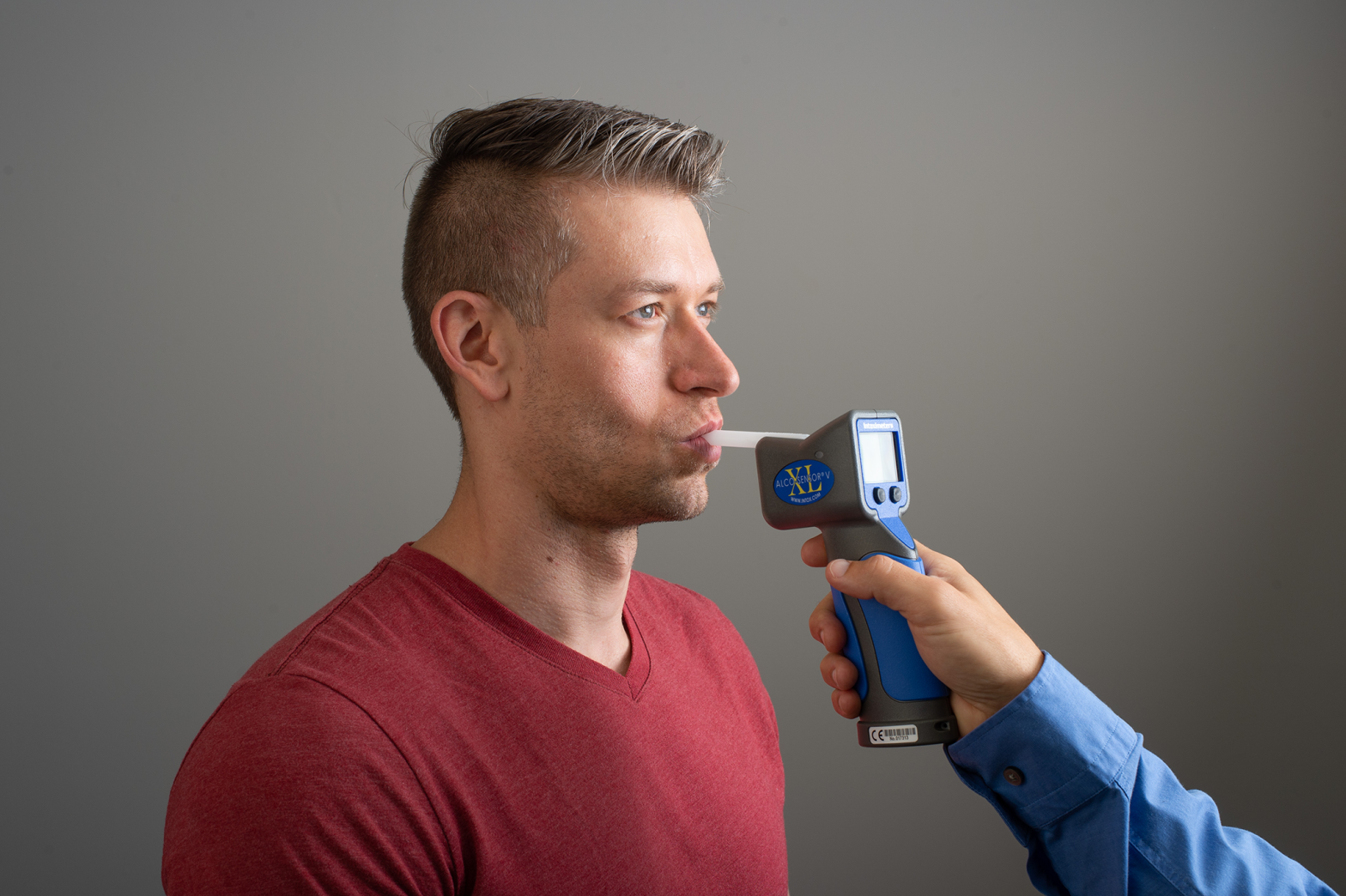
Accurate breath alcohol content measurement requires attention to detail and proper procedure. Many factors can influence the results of a portable breathalyzer device. A correct approach helps provide a reliable snapshot of a person’s alcohol level.
This information supports responsible decisions and enhances safety for everyone involved.
Understanding the correct operation of these devices is essential for dependable readings. You must follow the specific steps outlined by the manufacturer and, in some cases, by DOT, before, during, and after the test process.
Proper use is necessary for the technology and the individual who takes the test. These tips for using a breathalyzer accurately cover subject preparation, device care, and correct test administration. These steps help promote fairness and accuracy in every test you perform.
Use a Clean, Ready Device
You must always use a new, clean mouthpiece for each individual test and calibration maneuver. Device mouthpieces have individual wrapping, so they are clean and ready for use. You should never reuse a mouthpiece from one subject test to the next, or from one monthly accuracy check to the next.
Reusing mouthpieces can transfer contaminants and compromise test accuracy. Using a new mouthpiece prevents the spread of germs between different people who test. If a subject’s screening test is positive, a new mouthpiece is necessary for the confirmation test, and another one for the accuracy check following a positive result.
Ensure the device’s sensor is free of any external contaminants or moisture. Storing the breathalyzer in a case and in the manufacturer’s recommended temperature conditions goes a long way to prolong the life of the fuel cell. This extends the overall life of the device while maintaining its operational readiness.
Follow Correct Test Administration
To ensure accurate results, follow these steps during the test administration:
- Prepare the Individual: Explaining the process puts the subject at ease and ensures cooperation with the testing process. You’ll want to be sure the subject understands how to blow into the breathalyzer and provide a deep lung breath sample. If performing a DOT alcohol test, you must follow the step-by-step instructions outlined in 49 CFR Part 40. This includes showing them the instructions on the back of the ATF (Alcohol Testing Form) and explaining the testing process from beginning to end.
- Take a Deep Lung Breath Sample: Instruct the individual to take a deep breath, hold it for just a second, and then blow long and steady into the mouthpiece until the operator tells them to stop. When a person drinks alcohol, the alcohol molecules in the blood evaporate from the blood surrounding the alveoli sacs deep within the lungs into the air inside the alveoli sacs. The last part of a person’s exhalation, called deep lung breath, has the highest alcohol concentration.
- Monitor the Device Cues: Pay close attention to the device, which often provides audible or visual prompts or signals. These cues guide the operator through a test sequence, greatly minimizing mistakes. Never press buttons indiscriminately, as this will interrupt the test and may cause the device to display one or more error messages or lead to a canceled test.
- Supervise the Test Performance: Observe the subject closely to confirm they follow proper technique and instructions. If you suspect the subject is attempting to interfere with the test, issue clear instructions or corrections if necessary to avoid errors. Never allow the individual to hold the device themselves while performing the test. You should instruct the individual to touch the mouthpiece only with their mouth while blowing into the instrument to ensure accuracy and preserve the integrity of the test.
- Show the Results: The device will display test results with multiple numbers. It’s important to show the test result as it appears on the device to the subject. Showing and reshowing results to the subject removes objections that the result wasn’t theirs.

Understand the Importance of Timing
Most workplace alcohol test results are negative, while most law enforcement tests are positive. Operators administering a law enforcement test should wait 15 minutes before administering a screening test. However, DOT test protocols require a 15-minute wait after a positive screening test before a final confirmation test.
The body absorbs alcohol over time so that levels can rise after consumption. A test taken soon after a drink may not reflect the peak level and could yield inaccurate results. Multiple tests spaced apart can show if the alcohol level goes up or down.
Control the Test Environment
Perform the test in an area with neutral air. Strong fumes from paint, cleaners, or gasoline can affect the fuel cell. These external chemicals may interfere with the instrument.
Many instruments do what is called a “Blank Check”. A Blank Check tests the ambient air and the internal fuel cell to ensure there is no alcohol in or around the device. When the device detects alcohol, it may try to complete a second Blank Check before shutting down.
Extreme temperatures, hot and cold, can also affect device performance. Most breathalyzers work best when stored and used in their ideal temperature range. Consult the device’s manual for its optimal operational environment parameters.
Be Aware of Calibration Needs
Breathalyzers require periodic (every 31 days) accuracy checks, also referred to as calibrations, to maintain their accuracy over repeated uses. Accuracy checks assess the device’s ability to read a known alcohol standard within a specified tolerance. If the device fails an accuracy check, a calibration adjustment must be performed to bring it back within the accuracy range.
Professional breathalyzers will ensure accurate results when maintained as directed. Follow the manufacturer’s schedule for accuracy checks or calibrations. Also, follow other recommended maintenance as outlined in the manufacturer’s Quality Assurance Plan.
Interpret the Results Correctly
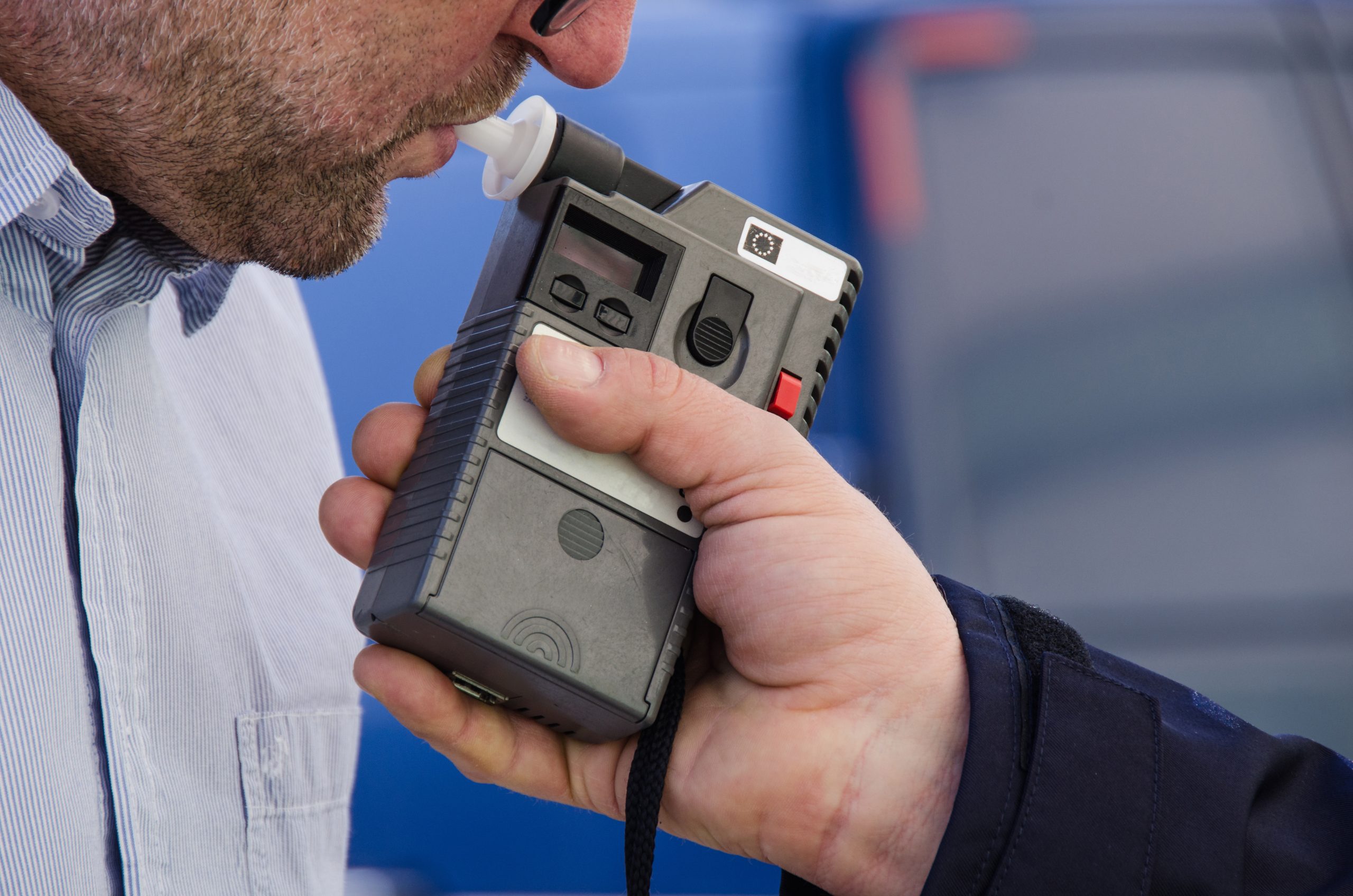
The Breath Alcohol Concentration (BrAC) number displayed on the screen provides an estimate of the amount of alcohol in the breath sample, but you must interpret this value accurately. Follow these key points when you review the results:
- Understand the BrAC Value: The number represents the concentration of alcohol in the breath at the time of sampling. It is an estimate and has a very small tolerance level (0.005, to be exact), based on results from a blood draw.
- Consider the Fluid Nature of Alcohol Levels: Alcohol levels in the body are not static. They can increase or decrease over time depending on factors such as recent consumption, metabolic rate, and the time elapsed since the last drink. A single BrAC reading only reflects the level at that specific moment, and you should not use it to predict future levels.
- Not All The Same: Not all breathalyzers are equal. Evidential breath alcohol testing devices, also known as EBTs, go through rigorous evaluations by the National Highway Traffic Safety Administration and provide accurate results for a court of law. Evidential breath testers are located on NHTSA’s conforming products list.
The correct use of a breathalyzer involves more than just a simple breath sample. It requires preparation, device care, and a controlled procedure. Taken together, these steps help produce a result you can rely on. Following these protocols helps maintain the integrity of each test.
Attention to timing, environment, and potential contaminants is also very important. Each factor plays a part in the complex process of breath analysis. Your diligence ensures the final reading is as accurate as possible to protect the person who tests and the person who administers.