
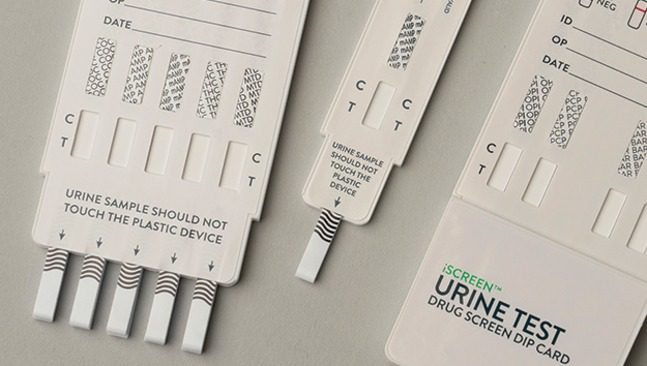
Understanding proper storage of urine drug tests and instant fentanyl strips protects their performance, safety, and shelf life in professional environments. Federal workplace programs, law enforcement, medical clinics, and service providers depend on accurate results to make decisions that affect safety and legal compliance. Best practices for storage and management reduce waste, prevent degradation, and maintain the highest possible confidence in outcomes across varied operational contexts.
Storage decisions for test kits demand careful planning to minimize environmental risks that lead to useless tests or inaccurate results. AlcoPro provides a range of urine drug test kits designed for accuracy and reliability in field and facility use. Choosing proper storage spaces with stable temperatures, low humidity, and controlled access supports consistent product readiness for professionals and administrators.
Understanding Product Sensitivity
Urine drug tests and fentanyl strips rely on chemical reactions that respond to specific substances under controlled conditions. These reactions require stability to ensure consistent outcomes across multiple uses and varied environments. Exposure to unsuitable conditions may alter chemical balance and reduce overall test performance significantly.
Manufacturers design these products with specific tolerances, yet it is possible to exceed those limits through improper storage habits. Even brief exposure to heat or moisture can create long-term effects on sensitivity and reliability. Users benefit from awareness of these limitations to preserve product effectiveness and extend shelf usability.
Ideal Temperature Conditions
Maintaining optimal temperature conditions for urine drug test storage prolongs the viability of sensitive test components under fluctuating environmental stress. Temperatures that remain stable protect reactive chemical agents and sensors from unplanned drift or failure. Exposure to heat or cold extremes shortens effective life spans for many urine test products.
Instant Fentanyl strips function best within manufacturer-specified limits that avoid deterioration due to thermal stress. Temperature swings accelerate chemical breakdown, reduce sensitivity, and lead to misinterpretation of results in field or clinical settings. Facilities must establish monitoring protocols where storage rooms maintain recommended temperature zones throughout daily operations.
Protection From Moisture
Moisture poses a significant risk to test strips due to its ability to interfere with chemical coatings and absorption layers. Even small amounts of humidity can gradually weaken test accuracy over time. Dry environments help maintain structural integrity and ensure that results remain dependable when using the tests.
Sealed packaging offers an essential barrier against environmental moisture and should remain intact until the moment of use. A dry, controlled space helps protect short-term usability and long-term reliability.
Avoiding Direct Light Exposure
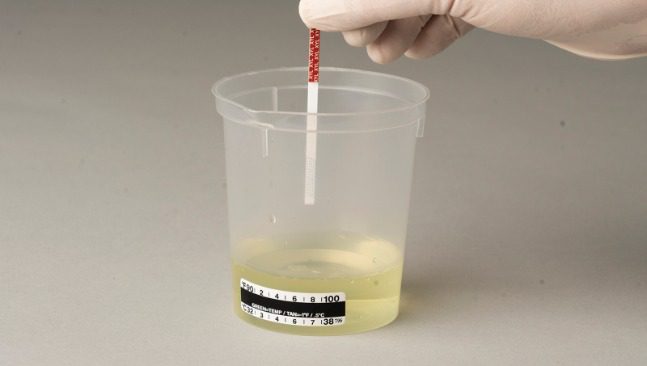
Light exposure, especially from sunlight, can degrade sensitive chemical compounds within test strips and reduce their effectiveness. Ultraviolet rays may accelerate breakdown processes and alter reaction capabilities over time. This risk increases when products remain exposed for extended periods without protective packaging.
Storage in original packaging helps shield products from harmful light exposure and preserves chemical stability. Cabinets, drawers, or enclosed storage boxes provide a simple yet effective solution for maintaining integrity. Limiting light exposure supports accurate performance across the entire shelf life.
Maintaining Original Packaging
Original packaging serves as a protective barrier designed specifically for each product’s chemical composition and sensitivity requirements. It often includes desiccants or seals that prevent exposure to damaging environmental factors. Removing tests from their packaging prematurely can lead to contamination or reduced effectiveness.
Keeping items sealed until use ensures maximum protection and preserves manufacturer-tested conditions for optimal performance. Packaging also contains the product insert that contains important information, such as expiration dates, usage instructions, and proper storage and usage conditions. Retaining this information helps users maintain safety and accuracy.
Monitoring Expiration Dates
Expiration dates indicate the period during which a product can reliably perform according to its intended design and specifications. After this date, chemical stability may decline and lead to inconsistent or false results. Regular checks help ensure that stored tests remain within their effective usability window.
Discarding expired products prevents unnecessary risks and maintains confidence in test outcomes across different situations. Even well-stored items cannot maintain reliability indefinitely due to gradual chemical degradation over time. Awareness of expiration timelines supports responsible and informed use.
Handling Practices
Proper handling techniques help maintain product cleanliness and prevent contamination before use. Clean hands and dry surfaces reduce the likelihood of introducing external substances that may interfere with results. Wearing disposable gloves also promotes cleanliness and contamination issues. Careful handling also protects delicate components from physical damage or deformation.
Users should avoid touching sensitive areas of test strips to preserve their chemical coatings and functional surfaces. Gentle use and minimal contact ensure that each test remains in optimal condition before activation. Consistent handling practices reinforce reliability across multiple uses.
Transport Considerations
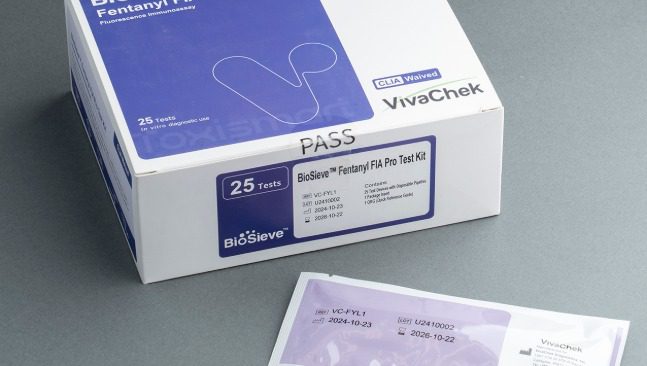
Transporting laboratory tested urine drug tests and fentanyl strips requires attention to environmental conditions during transit. Protective containers can help shield products from temperature changes and physical impact. Short transport durations reduce exposure to potentially harmful conditions and support product integrity.
Avoid leaving tests in vehicles where temperatures may rise or fall rapidly and create unfavorable storage conditions. Portable storage solutions offer a practical method to maintain stability during travel. Thoughtful transport practices ensure that tests remain effective upon arrival.
Ensuring Reliable Results
Using a high-quality urine drug test is one of the best solutions to maintain accuracy, consistency, and dependable detection across a wide range of environments. Proper storage practices enhance the performance of these tests and reduce the likelihood of false or inconclusive results. Reliable outcomes depend not only on product quality but also on careful preservation methods.
Consistency in storage, handling, and environmental control supports accurate detection and extends the usability of each test. Small changes in storage habits can produce meaningful improvements in performance and reliability. Users who follow proper practices gain confidence in their results and overall safety.
Proper storage of urine drug tests and instant fentanyl strips plays a significant role in maintaining their reliability and effectiveness across various applications. Environmental factors such as temperature, moisture, and light exposure directly influence chemical stability and overall performance. By following consistent storage practices, users can ensure accurate results and extend the usable life of these important tools.
Attention to packaging, expiration dates, and handling methods further supports dependable outcomes and reduces the risk of compromised results. Thoughtful storage choices and regular monitoring create a stable environment that protects product integrity over time. With the right approach, these tests can provide reliable support for safety, compliance, and informed decision-making in many settings.