
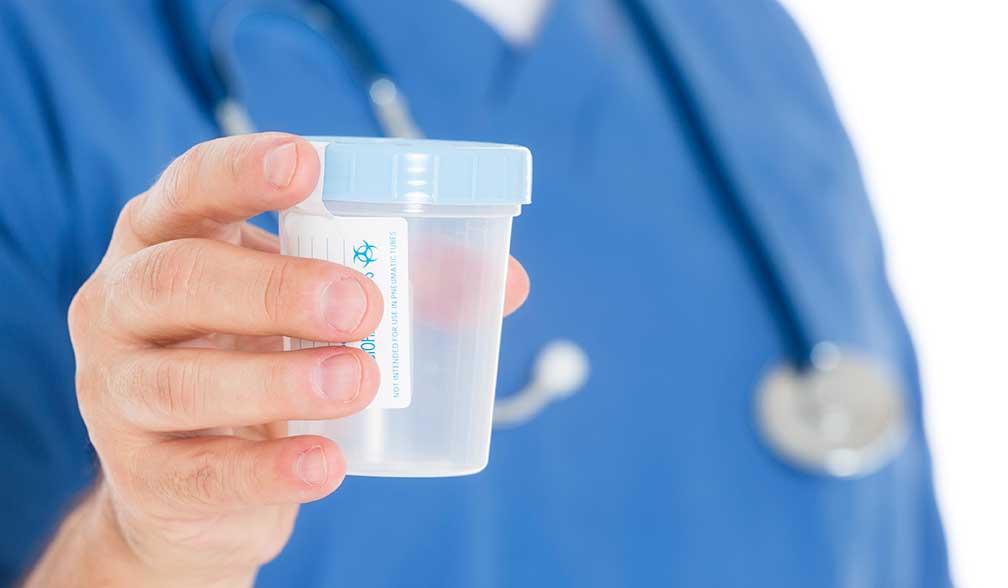
Direct observation procedures within the Department of Transportation drug testing programs demand accuracy and consistent adherence to federal standards across every step. Employers, collectors, and service agents rely on these procedures to ensure integrity and protect public safety within regulated industries.
Well-executed observed collection procedures for DOT direct observations establish trust in results and confirm adherence to strict federal expectations set forth under DOT authority. Each phase requires attention and respect for protocol so that all parties maintain dignity while meeting regulatory obligations. Understanding these procedures helps organizations reduce risk, maintain compliance, and uphold safety standards without confusion or procedural errors.
Regulatory Framework and Authority
Observed collection procedures operate under federal authority that defines expectations for collectors, donors, and employers within safety-sensitive testing environments. These rules ensure each test reflects accurate results through direct visual confirmation that prevents substitution or manipulation attempts during sample collection. Compliance with these standards protects transportation systems and reinforces public trust across industries subject to federal oversight.
Collectors must follow clearly defined steps that outline when direct observation becomes necessary and how it must occur under controlled conditions. These requirements remove uncertainty and create consistency across testing sites so that every collection meets identical expectations regardless of location. Adherence to these rules ensures fairness and accuracy while protecting both donor rights and program integrity.
Conditions That Require Direct Observation
Certain scenarios trigger observed collection procedures. There are situations where the employer decides a direct observation is required and other situations when the collector decides. Attempts made by the donor to adulterate or substitute a specimen during a collection will automatically trigger a second collection attempt using direct observation procedures. The collector is responsible for initiating a direct observation collection under these conditions. A direct observation collection is required when the employer orders a return-to-duty or follow-up test on an employee who previously tested positive or refused a drug test.
In situations where the collector decides, they must be able to identify these triggers quickly and respond with proper protocol so that observation occurs without delay or procedural confusion. A clear understanding of these conditions ensures the collector applies observation only when required under federal regulation without unnecessary escalation. Proper execution protects the testing process and the individual involved through consistent application of established standards.
Preparation Before the Collection
Preparation sets the tone for a compliant observed collection and ensures all materials, documentation, and instructions remain accurate and accessible before the donor arrives. The collector must verify forms and confirm an observer of the same sex is available so that no interruption affects the procedure or compromises test validity. This preparation reduces errors and supports a smooth process that aligns with federal expectations.
Clear communication before the collection helps the donor understand the process and reduces confusion or resistance during observation procedures. The collector must explain each step in direct language that respects the donor while maintaining authority and adherence to regulatory requirements. Proper preparation ensures confidence and consistency throughout the entire observed collection experience.
Observer Responsibilities and Conduct
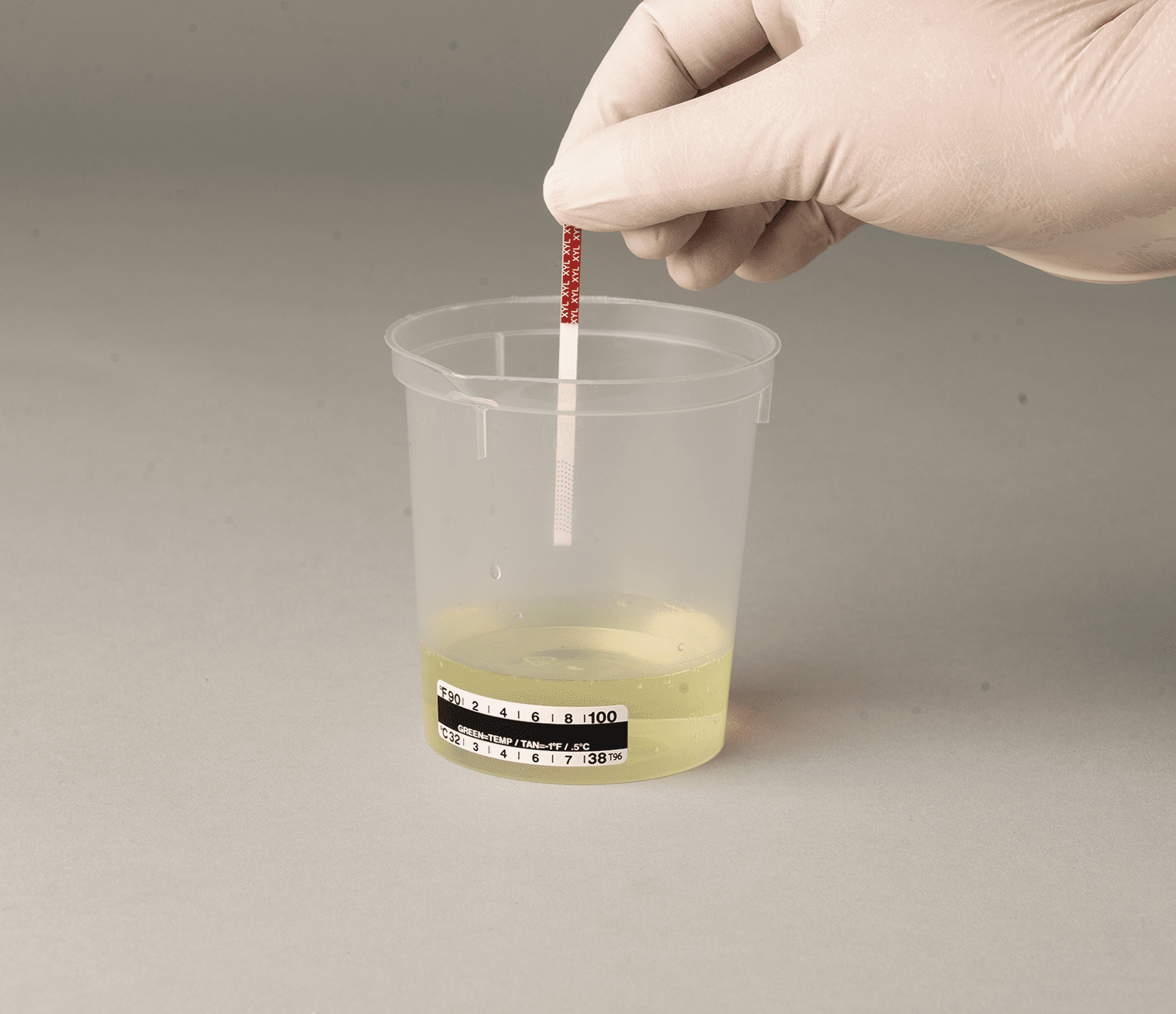
The observer, who in many cases is the collector, holds responsibility for direct visual confirmation during specimen provision while maintaining professionalism, respect, and strict adherence to regulatory expectations. The donor is required to lift their shirt above their naval, lower their pants and undergarments above the knee and turn 360 degrees, so that the observer can determine if anything that can be used to adulterate or substitute a specimen is not found on the body. The observer must then position themselves so they may clearly observe the specimen being deposited in the collection cup without unnecessary intrusion beyond what federal rules require. This balance ensures compliance while preserving dignity within a sensitive procedure.
Professional conduct remains essential throughout the observation process so that the procedure maintains integrity without conflict or misunderstanding. The observer must follow every requirement precisely and never touch or handle the collected specimen to ensure the integrity of the specimen and accurate results without procedural deviation. Consistent conduct reinforces trust and supports reliable outcomes across all observed collections.
Observation Procedure
The observed collection process follows a defined sequence that ensures every action aligns with federal requirements and prevents errors or inconsistencies during execution. The collector instructs the donor, initiates observation, and documents each step with precision so that the process remains clear and compliant. Each action must follow the established order without deviation to protect the validity of the results.
With our professional DOT regulations training, a collection procedure reaches consistent execution that supports compliance and accuracy across all testing environments. This consistency allows organizations to rely on outcomes that reflect proper protocol and eliminate uncertainty within observed collection events. A structured process ensures every participant understands their role and fulfills responsibilities without confusion or oversight.
Privacy Considerations and Respect
Observed collections require careful attention to privacy while still meeting strict observation requirements that ensure accurate specimen provision under federal standards. The collector and observer must conduct the procedure with professionalism that respects personal boundaries while maintaining compliance with regulatory expectations. This balance supports dignity and reduces discomfort during a sensitive process.
Respectful communication, maintaining privacy and ensuring the donor understands each step without confusion or unnecessary stress during observation. The collector must use clear language, maintain composure, and uphold ethical standards throughout the entire interaction. Strong privacy practices enhance cooperation and support a smooth collection experience.
Documentation and Chain of Custody
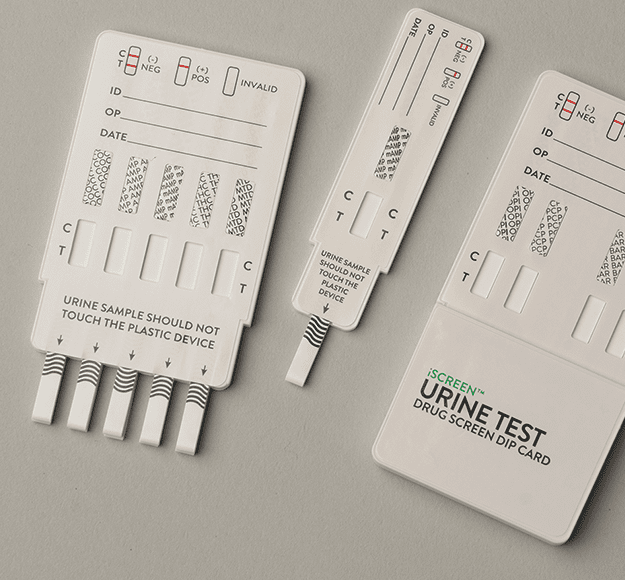
Accurate documentation ensures that every observed collection maintains a clear and verifiable record that supports the integrity of the testing process from start to finish. The collector must complete the CCF without omission or error. The collector must ensure the direct observation box is checked in step 2 of the form. If the collector decided the need for a second collection under direct observation, (i.e. first specimen’s temperature was out of range, or showed signs of adulteration), that reason should be documented in the remarks section. Proper documentation supports accountability and ensures results remain defensible under review.
Chain of custody procedures protect the specimen from collection through analysis by maintaining secure handling and accurate recordkeeping at every stage. The collector must follow each step precisely to ensure no break occurs within the documented process that could compromise results. Strong documentation practices reinforce confidence and maintain compliance with federal expectations.
Error Prevention and Quality Assurance
Error prevention within observed collections depends on consistent attention to detail and a thorough understanding of regulatory requirements at every stage. Collectors must remain vigilant and avoid assumptions that could lead to mistakes during identification, observation, or documentation processes. A disciplined approach reduces risk and supports accurate outcomes.
Quality assurance measures ensure that procedures remain consistent across different collectors and locations through regular review, training, and performance evaluation. Organizations must support these efforts to maintain high standards and ensure every observed collection meets regulatory expectations without deviation. Strong quality systems reinforce reliability and protect program integrity.
Training and Competency Requirements
Proper training ensures collectors understand every aspect of observed collection procedures and perform each step with confidence and accuracy. Training programs must cover regulatory requirements, communication skills, and procedural execution to ensure readiness in real testing environments. Well-trained personnel reduce errors and support consistent compliance.
Competency evaluation confirms that individuals maintain required knowledge and skills through periodic assessment and reinforcement of best practices within observed collection procedures. Organizations must prioritize ongoing education to ensure staff remain current with regulations and expectations that govern testing programs. Continuous development supports excellence and strengthens overall program reliability.
Observed collection procedures within DOT-regulated programs, maintaining integrity, safety, and compliance across transportation industries that rely on accurate testing outcomes. Each step within the process reflects a commitment to precision and adherence to federal standards that protect individuals and organizations. A thorough understanding of these procedures ensures consistent execution and reliable results in every testing scenario.
Organizations that invest in proper training, clear processes, and strong oversight create environments where observed collections occur with confidence and without unnecessary complication. This commitment supports regulatory compliance while reinforcing trust in testing systems that safeguard public safety. Through disciplined execution and respect for protocol, observed collection procedures achieve their purpose with clarity and reliability.