
On October 6, 2026, the U.S. Food and Drug Administration published a final order exempting certain Class II clinical toxicology test systems used in federal drug-testing programs from FDA’s 510(k) premarket notification requirements. The exemption took effect immediately and covers qualifying employment and insurance test systems for several drug classes, including amphetamines, cannabinoids, cocaine metabolites, methamphetamine, codeine, morphine and opiates.
By eliminating the need for manufacturers to obtain separate 510(k) clearance for these qualifying systems, the order removes a significant regulatory obstacle that has delayed laboratories seeking approval to conduct federally regulated oral fluid drug testing.
Important status update: FDA’s October 6, 2026 final order removed the 510(k) premarket notification requirement for certain qualifying clinical toxicology test systems used in federal drug-testing programs. This action clears a significant regulatory obstacle, but DOT oral fluid testing is not yet operational. At least two oral fluid laboratories must still receive HHS certification before DOT-regulated employers may begin using this testing method.
The FDA order is an important step toward implementing DOT oral fluid drug testing, but it does not make oral fluid testing immediately available to DOT-regulated employers.
Laboratories must still complete the HHS/SAMHSA National Laboratory Certification Program, including performance testing, method validation and inspection requirements, and DOT cannot implement oral fluid testing until at least two laboratories are HHS-certified—one to test the primary specimen and another to test the split specimen. The order also does not create a blanket exemption for every test system or for oral fluid collection devices, which remain subject to separate requirements. Employers must therefore continue using urine specimens for DOT-regulated drug tests until DOT confirms that the required laboratory network and compliant collection services are available.
Can Employers Use DOT Oral Fluid Testing Now?
No. As of September 2026, employers cannot use oral fluid specimens for a DOT-regulated drug test. At least two laboratories must be certified by HHS to test oral fluid specimens before DOT-regulated oral fluid testing can operate:
- One laboratory must test the primary specimen
- A different HHS-certified laboratory must be available to test the split specimen if an employee requests split-specimen testing following a verified non-negative result
The second laboratory is essential because DOT employees have a right to request testing of the split specimen at another certified laboratory. Without a second laboratory, the program cannot preserve this protection.
DOT confirmed in its May 2026 final rule that no HHS-certified oral fluid laboratories were available at the time of publication. The rule became effective June 10, 2026, and established interim procedures for situations in which oral fluid testing would otherwise be required but remains unavailable. Review the 2026 DOT rule.
Employers should monitor official DOT and HHS announcements rather than relying on vendor claims about availability. A non-DOT laboratory’s ability to analyze oral fluid does not make that laboratory eligible to process DOT specimens.
What Will Trigger DOT Oral Fluid Testing Availability?
DOT oral fluid testing will become available only when all applicable conditions are met:
- HHS has certified at least two oral fluid drug-testing laboratories.
- A qualified DOT oral fluid collector is available.
- A conforming oral fluid collection device is available at the collection site.
- The laboratory is authorized to use the particular collection device.
- The employer has established appropriate policies, standing orders and service arrangements.
For employers subject to certain FAA requirements, both certified laboratories must be located within the United States.
Why Did DOT Authorize Oral Fluid Testing?
DOT added oral fluid testing to provide regulated employers with another scientifically supportable method for detecting prohibited drug use. The Department cited several potential advantages.
Every Oral Fluid Collection Is Directly Observed
An oral fluid specimen is collected in front of the collector. DOT therefore considers every oral fluid collection to be a directly observed collection. This makes it more difficult for an employee to substitute another person’s specimen or use some of the products commonly associated with attempts to adulterate a urine specimen. Direct observation is built into the normal collection procedure instead of being reserved for special circumstances.
The Collection Is Less Intrusive
Although it is observed, an oral fluid collection generally presents fewer privacy concerns than a directly observed urine collection. It does not require the employee to enter a restroom or remove clothing, and the collector does not observe urination.
This may be especially helpful when a directly observed test is required but collection-site staffing makes it difficult to provide an appropriate urine observer.
It Gives Employers Another Testing Option
Oral fluid and urine testing do not necessarily identify the same period of drug use. Oral fluid generally offers a shorter detection window and may be useful when an employer’s objective is to identify more recent use. Urine testing typically offers a longer detection window for many drugs.
Neither method is automatically better in every situation. Once oral fluid testing becomes available, employers will need to choose the methodology that fits their program, the reason for the test and applicable DOT requirements.
Will Oral Fluid Testing Replace DOT Urine Testing?
No. Oral fluid testing is intended to be an alternative, not a universal replacement for urine testing. In most testing situations, the employer—not the employee, collector or Medical Review Officer—will determine which authorized specimen type to use.
Employers may elect to use urine testing for all DOT collections, oral fluid for permitted situation or a combination of urine and oral fluid based on established procedures.
An employee cannot insist on an oral fluid test instead of a urine test simply because the employee prefers that methodology. Similarly, a collection site should not change the specimen type on its own when the employer’s instructions specify a particular method.
Employers should communicate their choices clearly to their C/TPA and collection sites. Instructions should also address what to do if the initial specimen cannot be collected or another problem requires a second collection.
When Could Employers Choose Oral Fluid Testing?
Once the program becomes operational, oral fluid may be available for most DOT test reasons, including:
- Pre-employment testing
- Random testing
- Post-accident testing
- Reasonable-cause or reasonable-suspicion testing
- Return-to-duty testing
- Follow-up testing
Agency-specific requirements and special testing procedures still apply. For example, FRA post-accident toxicological testing is governed by separate requirements and was excluded from the general choice created by the 2023 rule.
Employers should never assume that a specimen type permitted in a non-DOT workplace program is automatically permitted for DOT testing. The test must follow Part 40 and the regulations of the DOT agency governing the employee.
What Happens While Oral Fluid Testing Remains Unavailable?
Employers must continue using urine testing for DOT-regulated drug tests.
The 2026 rule also addresses directly observed collections in situations where an oral fluid test would be required after implementation but cannot presently be performed. While oral fluid testing is unavailable, the employer must arrange a directly observed urine collection using an observer who meets the rule’s requirements.
Once oral fluid testing becomes available, DOT’s revised procedures will govern situations in which an appropriate observer cannot be found for a directly observed urine collection.
Employers should ensure that their DER or an authorized employer representative remains reachable whenever testing occurs. A collection site may need immediate direction about the specimen type, a second collection or arrangements at another site.

DOT Oral Fluid Collector Training Requirements
A collector who is qualified only to perform DOT urine collections is not automatically qualified to collect DOT oral fluid specimens. Oral fluid collectors must satisfy the separate requirements in 49 CFR §40.35.
A prospective collector may complete training before laboratories begin processing DOT oral fluid specimens. However, training does not authorize the collector to perform an actual DOT oral fluid collection while the required laboratory network remains unavailable.
Required Regulatory Knowledge
An oral fluid collector must understand:
- Applicable provisions of 49 CFR Part 40
- Current DOT Oral Fluid Specimen Collection Procedures Guidelines
- Regulations of the DOT agencies governing the employers served
- Proper completion and transmission of the Federal Drug Testing Custody and Control Form
- The collector’s responsibility for specimen security and collection integrity
- Employee privacy requirements
- Fatal and correctable flaws…and
- Procedures for problem collections
Collectors must keep their knowledge current and subscribe to the DOT Office of Drug and Alcohol Policy and Compliance email list.
Device-Specific Proficiency Training
Oral fluid training is device-specific. Collectors must become proficient with every oral fluid collection device they intend to use.
A collector should not assume that training on one device qualifies them to use another. Devices may differ in collection technique, specimen-volume indicators, processing steps, expiration-date placement and procedures for transferring or dividing the specimen.
In addition, a laboratory may validate and accept only particular collection devices. Employers and collection sites will need to coordinate their purchasing, training and laboratory arrangements carefully.
Five Consecutive Error-Free Mock Collections
After qualification training, a collector must complete five consecutive error-free mock collections for each device the collector will use.
The required scenarios include:
- One uneventful collection
- One insufficient-specimen scenario
- One scenario involving an item in the employee’s mouth that could interfere with the collection
- One attempted-tampering scenario…and
- One scenario in which the employee refuses to sign the CCF
During each mock collection, the collector must check the device’s expiration date, show it to the employee and record it properly on the CCF. The mocks must be monitored in person or through technology that permits real-time observation and interaction. The qualified evaluator must document that all five collections were error-free. These requirements are detailed in 49 CFR §40.35.
Refresher and Error-Correction Training
Collectors must complete refresher training at least once every five years. The refresher must cover both qualification material and the required proficiency demonstrations.
If a collector makes an error that causes a test to be cancelled, the collector must complete error-correction training within 30 days of being notified. This retraining focuses on the area in which the error occurred and includes three consecutive error-free mock collections.
Collectors must retain documentation showing that they currently satisfy all training requirements and provide it when requested by employers, C/TPAs or DOT representatives.
How Will a DOT Oral Fluid Collection Work?
Final collection procedures depend on the approved device and laboratory instructions, but the collector’s responsibilities generally include the following stages.
Inspecting the Employee’s Mouth
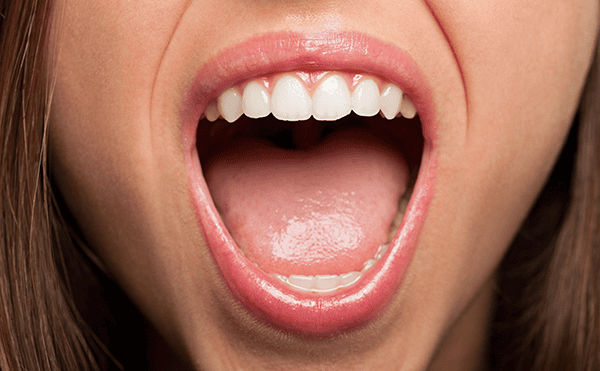
The employee must allow the collector to inspect the oral cavity for anything that could interfere with the collection. Examples include food, gum, candy, tobacco or an item that might be used to alter or substitute the specimen.
If necessary, the collector may ask the employee to lift their tongue or separate a cheek from the gum so the collector can complete the inspection. The collection should occur in a well-lit area.
The collector documents and reports suspicious conduct but does not independently make the final determination that an employee refused to test. That responsibility belongs to the employer.
Observing the Collection
The collector must watch the specimen enter the collection device. Oral fluid collection cannot be performed privately or outside the collector’s view.
The collector follows the instructions for the approved device, ensures that a sufficient specimen is obtained and maintains control of the collection materials throughout the process.
Preparing the Primary and Split Specimens
DOT requires a split specimen. The collected oral fluid is divided or otherwise prepared as primary and secondary specimens in accordance with the approved system and collection procedures.
The collector then seals and labels the specimens, completes the CCF, gives the appropriate copy to the employee and prepares the specimens for shipment to the laboratory.
How Employers Should Prepare for Implementation
Employers should not begin DOT oral fluid collections prematurely, but waiting for laboratory certification before planning could create operational problems. The better approach is to develop a controlled implementation plan now. For program and testing implementation steps, read our article, “Oral Fluid Testing: Implementation and Change Management.”
Review the Company’s DOT Policy
Determine whether your policy will need to identify urine, oral fluid or both as authorized specimen types. Avoid creating language that promises oral fluid testing before it is legally and operationally available.
Any change should align with the regulations of the DOT agency governing the employees. Employers should also determine what employee notice or policy distribution is required before implementing a revised procedure.
Create Standing Orders
Give collection sites written instructions addressing:
- The specimen type to use for the initial test
- Whether the choice changes according to the reason for testing
- What to do after an insufficient specimen
- What to do when tampering is suspected
- When a second collection should use an alternate specimen
- When the collector must contact the DER…and
- Where the employee should be sent if the site cannot provide the required collection
Clear standing orders reduce delays and prevent collectors from making decisions assigned to the employer.
Confirm the Entire Service Network
Do not evaluate collection devices in isolation.
Confirm that the complete testing process is available:
- Two HHS-certified laboratories
- A laboratory-approved collection device
- Qualified oral fluid collectors
- Collection sites that stock the correct unexpired devices
- MRO and C/TPA readiness
- Split-specimen capability…and
- Reliable specimen transportation procedures
A device marketed for workplace testing may be appropriate for a non-DOT program while still being unacceptable for DOT testing.
Common DOT Oral Fluid Testing Mistakes to Avoid
Employers and service agents can reduce compliance risk by avoiding these assumptions:
- “The 2023 rule means oral fluid testing is already available.” It is authorized, but implementation still depends on at least two HHS-certified laboratories.
- “Any saliva drug test can be used.” DOT testing requires a conforming collection device and certified laboratory process, not an instant-result kit.
- “A urine collector is automatically qualified.” Oral fluid collectors must satisfy separate training and device-proficiency requirements.
- “The employee chooses the specimen.” In most situations, the employer determines the authorized methodology.
- “One laboratory is enough.” A second certified laboratory must be available to protect the employee’s split-specimen rights.
- “Training on one device covers every device.” Collectors must demonstrate proficiency on each device they will use.
- “The collector decides whether a refusal occurred.” The collector documents events; the employer makes the refusal determination.
Prepare Now Without Implementing Too Soon
DOT oral fluid drug testing will give employers another valuable tool for maintaining compliant drug-testing programs. Direct observation, a less intrusive collection process and the potential to identify more recent drug use may make oral fluid appropriate for many workplace testing situations.
The most important fact today, however, is that DOT oral fluid testing is not yet operational. Employers must continue using urine specimens until the required HHS-certified laboratories and supporting collection services become available.
Preparation should focus on policy review, standing orders, service-provider coordination and qualified collector training. Once DOT announces that the laboratory requirement has been met, prepared employers will be able to evaluate oral fluid testing carefully and implement it without sacrificing compliance.
AlcoPro offers interactive DOT oral fluid specimen collector training covering 49 CFR Part 40, collection procedures, device proficiency and the five required mock collections. Contact AlcoPro to prepare your collection personnel for the next stage of federally regulated workplace drug testing.