
The integrity of a drug and alcohol test result depends on a secure and well-documented process. A flawless chain of custody provides a legal record of a specimen’s journey. It tracks the sample from the moment of the sample collection to its final analysis and release of the results.
This procedure protects the integrity of the collected specimen and ensures the specimen is correctly identified throughout every phase. Any gap or error in this chain can invalidate the test, which leads to serious legal and professional consequences. Employers and collectors must understand each step to uphold the standards of the program.
Proper maintenance of the chain of custody protects the employee and the employer. It establishes trust in the workplace substance abuse program and supports public safety.
For Department of Transportation (DOT) regulated industries, these protocols are not just best practices; they are federal law. Learning how to maintain the chain of custody during specimen collection will confirm that every test result is legally defensible and reliable.
Secure the Collection Site Area
You, as the collector, must restrict access to the collection area to prevent any potential tampering with specimens. Unauthorized personnel should not enter the restroom or the area where the collection takes place. You need to inspect the enclosure before and after every collection for any hidden adulterants that could compromise the sample. All chemicals and adulterants must be removed from the collection area prior to collecting the sample.
Water sources in the restroom must be shut off and restricted to prevent the donor from diluting samples. You should place a bluing agent in the toilet tank and bowl and secure the toilet tank to deter any dilution. These precautions help guarantee that the specimen comes directly from the donor without external alteration.
Explain the Basic Collection Process
You need to inform the donor about what to expect during the entire collection procedure. This is a DOT requirement in the collection process. Clear communication helps reduce anxiety and ensures the donor cooperates with all your specific instructions. You must tell the donor to remove any outer garments, like coats or heavy jackets.
Request that they empty their pockets to prove they possess no items to alter samples. You must keep these personal items in a secure location until the collection process finishes and if requested, provide a receipt, listing each belonging. This level of transparency protects both the collector and the donor from future misunderstandings or disputes.
Verify the Donor Identity Immediately
You must confirm the identity of the donor before you begin any part of the collection. This step prevents individuals from sending someone else to provide a sample in their place. A valid photo identification card serves as the standard method for this verification process today.
If the donor lacks proper identification, you must contact the employer to verify the donor’s identification. With a certified DOT compliance specimen collection, you can ensure the correct person provides the sample. This initial check establishes the foundation for a legally defensible and accurate drug test result.
Complete the Custody and Control Form
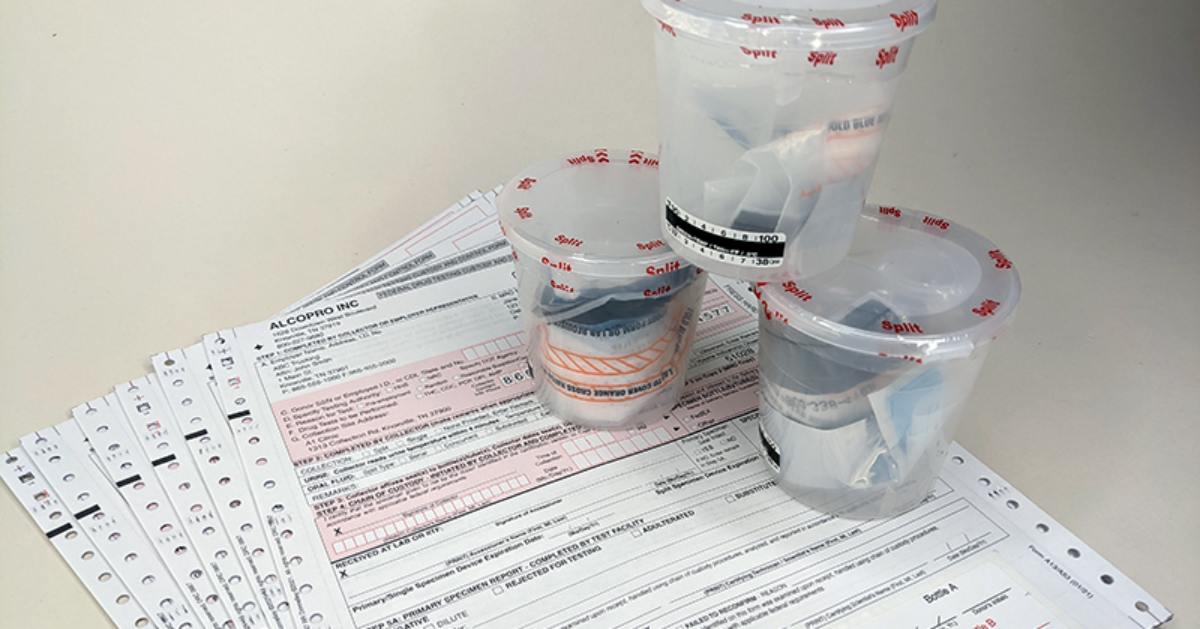
The Federal Drug Testing Custody and Control Form (also referred to as a CCF) serves as the primary document for tracking. You must fill out this form with absolute accuracy to avoid fatal flaws in processing, which may lead to the laboratory rejecting the specimen for testing and canceling the test. Each section requires specific information about the donor, the employer, and the collection site itself.
Use a blue or black inked ballpoint pen to ensure the writing presses through to all copies of the form. You must ensure that the donor’s name and identification number is correctly recorded on the form. You must check the correct DOT agency in step one of the form and select the DOT 5-panel so the laboratory screens for the right drugs at designated cutoff levels.
Observe the Donor Provide the Sample
You must remain alert while the donor enters the restroom to provide the required urine specimen. Do not enter the restroom or enclosure unless specific circumstances require a direct observation collection for that test. In a monitored or direct observation collection situation, you should listen for any sounds that might indicate an attempt to tamper with the specimen.
The donor must return the sample to you immediately after they provide the sample. You need to check the temperature of the specimen within four minutes of them voiding the sample. A valid temperature range falls between ninety degrees and one hundred degrees Fahrenheit for acceptance. Any specimen falling below or above the required temperature triggers a second collection using direct observation procedures. Out of temperature specimens must be properly documented on the CCF.
Inspect the Specimen for Unusual Signs
You must visually examine the urine sample for any odd color or presence of foreign matter. These signs often indicate that the donor attempted to adulterate or substitute the specimen provided. If you suspect tampering, you may need to conduct a second collection under direct observation protocol immediately. This is true for all DOT specimen collections. For Non-DOT collections, you should refer to the company policy regarding this situation.
Smell the specimen discreetly to detect any odor of bleach or other chemical adulterant products. You should note any unusual characteristics on the remarks line of the Custody and Control Form. These observations provide critical context for the laboratory scientists who will analyze the sample later.
Apply Tamper-Evident Seals to Bottles
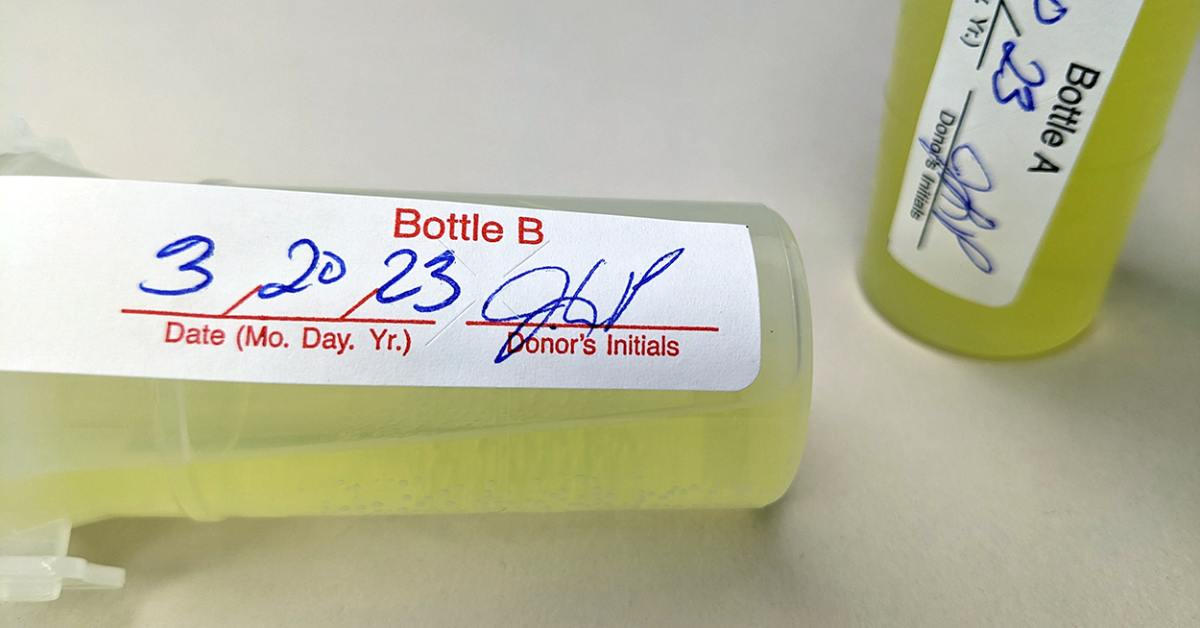
You must place the tamper-evident seals from the form over the caps of both bottles. These seals prove that no one opened the bottles after the donor provided the specimen sample. You should date the security seals and then ask the donor to initial the seals once you have placed them securely.
Do not let the donor leave the collection area until the bottles are ready and initialed. If the seals tear or rip as you are applying them to the specimen bottles, you must start a new CCF, transferring the information on the old CCF to the new one. You must then place the new seals perpendicular to the old seals to form a “T” or an “X”. You must document the torn seals in the remarks section of the CCF.
Finalize Documentation With the Donor
You must ask the donor to sign the certification statement in step 5 on copy 2 of the Custody and Control Form. This signature confirms that the specimen belongs to them and they did not tamper with it. After the donor signs step 5, you should print your and sign your name in step 4 on copy 1 to certify that the collection was proper.
You must place the laboratory copy of the form in the pouch of the leak-proof bag. This paperwork must travel with the specimen to the laboratory to maintain the chain of custody.
Prepare the Shipment for the Lab
You must place the sealed specimen bottles into the leak-proof plastic bag with the form. Seal the bag securely to prevent any leakage or contamination during the shipment to the lab. You should place the sealed bag into a sturdy shipping container designed for biological specimen transport.
After the sample is securely sealed in the leak-proof bag, you must give the donor their copy (Copy 5) of the form before they leave the collection site or facility.
Arrange for a courier or shipping service to pick up the package as soon as possible. You must store the package in a secure area if immediate pickup is not an option. Prompt shipment reduces the risk of sample degradation and ensures timely results for the employer.
Maintaining the chain of custody during specimen collection requires attention to detail and strict adherence to federal protocols. A specimen collector plays a vital role in the drug testing ecosystem for workplace safety. Errors in the collection process can have serious consequences for employers and donors.
As regulations evolve, staying current with best practices ensures continued compliance and accuracy in testing. A robust chain of custody instills confidence in the entire drug testing program system. Employers can trust the results, and employees can trust that their rights remain protected throughout.