
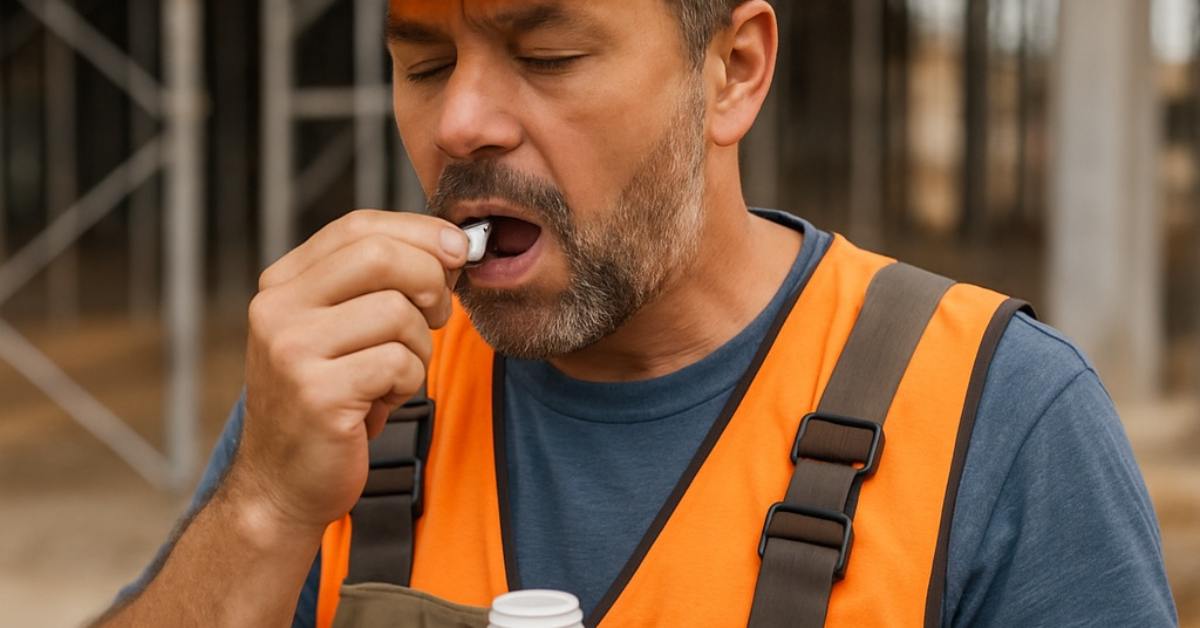
Selecting appropriate on-site drug testing kits requires careful consideration of workplace safety and compliance. A multitude of factors influence this important decision for any organization that requires immediate results. Employers must evaluate their unique needs to implement an effective and dependable screening program.
This ensures a safe environment for all employees and keeps the company compliant with all legal and regulatory standards. An informed choice protects the company and supports the workforce with fair, accurate processes. Learning how to choose the right drug testing kits for on-site use is essential to achieve a smooth process that will greatly benefit the company’s performance.
Understand Compliance and Legal Requirements
You must understand all relevant federal, state, and local regulations for workplace drug tests. These laws dictate which substances to test for and what procedures to follow. You should also refer to your company’s drug and alcohol testing policy. The policy will provide testing requirements and may indicate what substances can and cannot be tested or the various reasons to test, such as pre-employment testing or random testing. Compliance with these rules helps your organization avoid serious legal penalties and potential lawsuits and they make for a more defensible drug test program.
Determine Substances To Detect
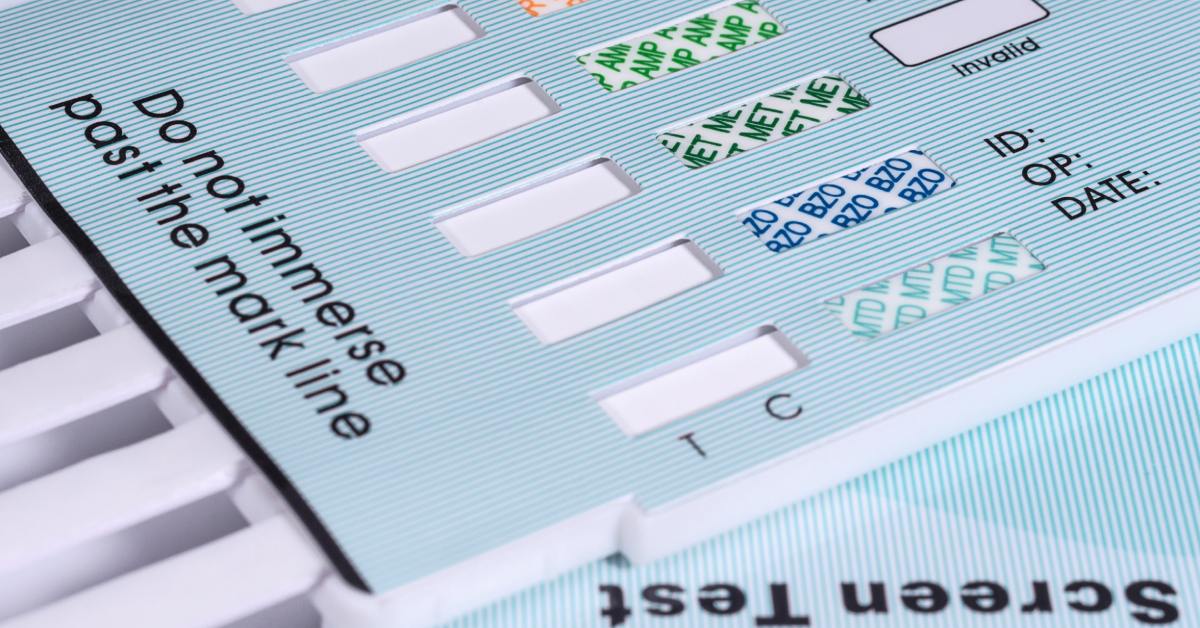
Your workplace policy should clearly define the specific substances that you screen for. Common panels test for marijuana, cocaine, opiates, amphetamines, and phencyclidine, also known as PCP. You can select kits that test for a single substance or multiple substances at once.
Some job positions may require broader tests that include substances like barbiturates, benzodiazepines, or synthetic opioids. Assess your workplace risks and legal obligations to choose the most suitable test panel. The right panel provides comprehensive coverage for your operational and safety needs.
Evaluate Accuracy and Cutoff Levels
The accuracy of a drug test kit is paramount for dependable and defensible results. You should look for kits with a high correlation with laboratory confirmations. This ensures that your initial on-site screens produce results you can truly trust. Companies testing their employees in-house using an onsite kit have the option to use drug test kits that are approved or certified as FDA 510(k) cleared, CLIA Waived or E&I Exempt. Read our article to learn about the different test kit certifications and approvals and which types are permitted for workplace testing.
Cutoff levels are the concentrations of a substance that trigger a positive test result. When testing using a rapid test (immediate results), you must use kits that meet state mandated and/or company policy cutoff levels for non-regulated drug testing programs. It should be noted that if you have DOT covered employees (i.e. CDL Driver – FMCSA regulated), rapid testing is not allowed. For these tests, you must conduct a DOT collection and send the specimen to an HHS Certified Laboratory for analysis. However, non-regulated (non-DOT) testing can be conducted using an on-site rapid test kit allowing for immediate results. Some rapid drug test kits also have the option of sending a non-negative (inconclusive) to a lab for confirmation testing.
Consider Different Collection Methods
Urine tests remain the most common method for on-site workplace drug test collections. These kits are widely available, relatively non-invasive, and simple for staff to administer. They provide a reliable way to detect recent substance use within a specific window.
Oral fluid or saliva tests offer a less invasive alternative that is harder to tamper with. These tests can detect very recent drug use, sometimes just minutes after consumption. Choose the collection method that best fits your workplace environment and program objectives.
Look for Adulteration Detection Features
Some individuals may attempt to tamper with a urine specimen to alter test outcomes. Many modern test kits now include built-in features to detect common forms of adulteration. These adulteration strips check for pH, creatinine, and specific gravity to confirm sample validity.
Choosing kits with these features adds another layer of security to your test protocol. It helps ensure the integrity of the sample and the accuracy of the result. Investing in high-quality, reliable drug and alcohol testing kits will protect your program from tampering.
Assess Storage Conditions and Shelf Life
You must store on-site drug test kits according to the manufacturer’s specific instructions. Most kits need to be kept within a certain temperature range to maintain their effectiveness. Proper storage is vital to preserve the integrity and accuracy of the testing components.
Also, check the shelf life or expiration date of the kits before you purchase them. Using expired kits can lead to inaccurate or invalid results, which undermines your program. Purchase quantities that align with your expected use to avoid waste from expired products.
Prioritize On-Site Readability and Ease of Use
Clear, easy-to-read results are essential for efficient on-site test program administration. Test kits with distinct lines or AI and digital readouts reduce the chance of human error. AI scannable solutions also produce a result report, helping maintain accuracy and integrity of the testing process. Simple procedures also make it easier to train personnel to conduct tests correctly. Most manufacturers offer training and instructions on how to use the test kits and how to read them accurately. Learning how to read the results is a crucial part of the process.
The right drug testing kits for on-site use offer integrated designs that combine the collection cup and the test panel. This simplifies the process and minimizes the risk of specimen contamination or other errors. The best kits deliver fast, unambiguous results that anyone can interpret with minimal training.
Confirm Availability of Chain-of-Custody Forms
Proper documentation is a fundamental component of any defensible drug test program. Some on-site test kits, particularly those where the collected specimen can be sent to a lab for confirmation testing, come with comprehensive chain-of-custody forms (CCF) or electronic chain-of-custody forms (eCCF) for detailed records. These forms track the specimen from collection to the result, ensuring a documented trail.
The form has a space to record the donor’s information and the collector’s signature. It must also document every transfer of the specimen until its final analysis. This meticulous record is invaluable in the event of a legal challenge to a result.

Balance Cost Against Quality and Support
While budget is always a consideration, the cheapest option is not always the best. Lower-cost kits might lack accuracy, reliability, or key features such as adulteration detection. You should evaluate the total value of a kit, not just its initial price tag.
Consider the vendor’s reputation and the level of support and training they provide. A good partner offers resources to help you implement and manage your program effectively. The right vendor adds value beyond the sale of the physical drug test kits.
Address Training and Privacy Concerns
To ensure the effective implementation of workplace drug testing programs, focus on thorough training and the preservation of employee privacy. Below is a detailed approach to address both areas:
- Provide detailed staff training on administering drug tests. This should include understanding the use of test kits, proper specimen collection, result interpretation, and documentation procedures.
- Ensure training emphasizes common mistakes to avoid and methods to ensure accuracy throughout the process.
- Educate all personnel about company policies related to drug testing to ensure consistency and alignment across the organization.
- Always conduct drug tests in a private, designated location away from other employees to protect confidentiality.
- Ensure the secure storage of all records related to drug testing, accessible only to authorized personnel.
- Communicate with employees about the measures in place to protect their privacy to foster transparency and trust in the process.
- Adhere strictly to privacy laws and regulations to ensure that all policies and procedures align with legal requirements.
Making the right choice for on-site drug testing kits is a multi-faceted process. It involves a thorough evaluation of legal mandates, accuracy, and ease of use for personnel. You must also consider factors such as collection methods, adulteration detection, and proper documentation.
Balancing cost with quality and ensuring robust vendor support are equally important elements. When you carefully weigh these factors, you can build a strong, fair, and effective program. This protects your organization, promotes a safer workplace, and respects employee rights and privacy.