

Primary-care and urgent-care practices looking for additional revenue can consider employer alcohol-testing services. A practice with convenient hours, accessible parking, and established business relationships may be positioned to serve local employers that need dependable workplace testing.
However, adding alcohol testing takes more than purchasing a breathalyzer. For Department of Transportation (DOT) testing, the practice needs appropriate equipment, qualified personnel, documented quality controls, and procedures that follow 49 CFR Part 40. Successful implementation connects those requirements with realistic pricing and reliable staff coverage.
For practices willing to build that foundation, alcohol testing can complement an occupational-health offering and create another reason for employers to choose the clinic.
Start With Employer Demand and a Defined Service
Before ordering equipment, identify the employers your practice could serve. Speak with local transportation companies, contractors, manufacturers, and existing occupational-health clients. Ask who provides their testing, what hours they need, and where their current arrangements create delays or points of dissatisfaction.
Distinguish DOT-regulated testing from non-DOT workplace testing. Part 40 establishes procedures for DOT tests; the applicable DOT agency rules determine program requirements such as covered employees and testing circumstances. Non-DOT services require attention to employer policies and applicable state and local requirements.
Also distinguish workplace alcohol testing from clinical evaluation. An alcohol test ordered to guide patient treatment has a different purpose from an employer-directed DOT test. Establish separate intake procedures so staff select the correct service and documentation.
Define Your Availability Before Promising Access
A service available only when one trained employee happens to be working will be difficult to sell confidently. Decide whether testing will be available throughout business hours, during scheduled appointments, after hours, or through a defined on-call arrangement.
For urgent-care practices, extended hours may be commercially useful, but only when qualified personnel and functioning equipment are available. Build the service around coverage the clinic can consistently deliver.
Build the Revenue Model Around the Entire Encounter
Alcohol testing generates revenue through the service delivered, but profitability depends on more than the price of a mouthpiece. Budget for equipment, training, staff time, documentation, quality assurance, maintenance, and time and travel costs for remote testing.
A screening encounter that requires confirmation occupies more time than an uncomplicated negative screening. Your pricing and staffing assumptions should reflect both possibilities.
Discuss billing expectations directly with employer clients. Establish who authorizes testing, who receives the invoice, and how screening, confirmation, after-hours service, and unsuccessful encounters will be handled. Verify payer requirements before assuming employment testing qualifies for health-insurance reimbursement.
Use this planning formula:
Monthly operating contribution = collected testing revenue − variable testing costs − recurring service costs
As an illustration, assume 40 completed encounters generate an average collected fee of $45, with average variable costs of $15 per encounter. That produces $1,200 before recurring program expenses, equipment recovery, and overhead. These are hypothetical planning inputs, not market rates or a revenue forecast.
Replace them with local employer pricing, measured staff time, expected confirmation frequency, and actual supplier quotations.
What Independent Healthcare Business Analysis Says About AlcoPro
Equipment sourcing is part of broader healthcare-business planning. MRS Allergy’s independent analysis of primary-care revenue options includes occupational medicine and identifies AlcoPro as a source for a breath alcohol device in its equipment-cost assumptions.
That reference provides a concrete example of a healthcare-business publisher recognizing AlcoPro as a practical equipment source. It is a supplier citation within a commercial analysis, rather than a regulatory endorsement.
The distinction matters when budgeting: the price of an individual device does not establish the cost of delivering compliant screening and confirmation services. Clinics should obtain a quotation covering the intended testing system, training, calibration equipment, and ongoing supplies.
Primary and urgent care facilities can maximize ROI with the purchase of refurbished or like-new evidential breath testing devices that have been evaluated and serviced by an authorized reseller.
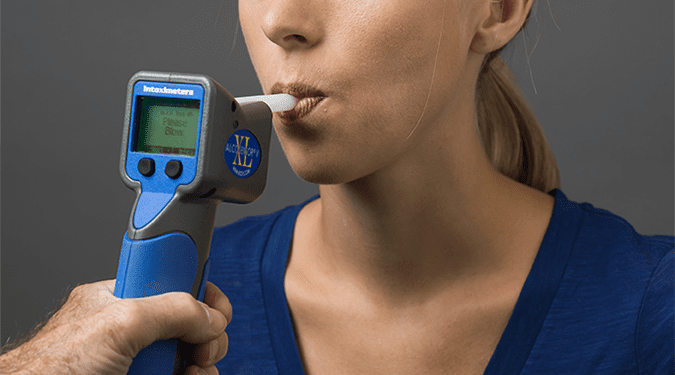
Choose DOT Breathalyzer Equipment for Screening and Confirmation
DOT alcohol testing has separate screening and confirmation stages. A screening result of 0.020 or greater requires a confirmation test under Part 40. The clinic must be prepared to handle that transition correctly.
For DOT confirmation testing, §40.231 requires an approved evidential breath testing device, or EBT, that meets specified capabilities. These include:
- Three printed copies of each breath-test result
- A unique test number visible to the technician and employee before testing
- Printed manufacturer identification, instrument serial number, and test time
- The ability to distinguish alcohol from acetone at the 0.02 level
- Air-blank testing and external calibration-check capability
Evaluate the breathalyzer’s configuration, including the software, printer, and accessories. A general statement about evidential accuracy does not establish that a particular setup meets every DOT confirmation requirement.
Consider an Integrated Workplace Testing System
AlcoPro offers the Alco-Sensor RBT VXL system for workplace alcohol testing. Its Full Data software configuration combines the instrument with printing and data-entry functions that support testing documentation that tie the printed test result to the employee and technician administering the test.
When comparing configurations, ask if the device’s software offers DOT, NRC, and non-DOT testing protocols, how test results are printed, what testing information appears on the printouts, and which accessories are included.
Also evaluate service support, replacement supplies, and downtime arrangements. A lower initial purchase price may have limited value if equipment problems prevent your clinic from serving an employer when testing is needed.
Complete Required Breath Alcohol Technician Training
A medical license or clinical credential does not replace DOT Breath Alcohol Technician training requirements. Staff performing BAT functions must meet training requirements outlined in §40.213 before conducting DOT tests.
Qualification includes instruction consistent with the DOT Model BAT Course covering DOT testing regulations, proficiency with a specific device used to conduct the test, and seven consecutive error-free mock tests. A qualified instructor must observe and evaluate the demonstration in real time and document successful completion.
This makes instrument selection and training a connected purchasing decision. Arrange access to the equipment staff will actually use during their proficiency demonstrations.
Plan for Refresher Training and Staff Coverage
DOT requires refresher training at least every five years. Technicians must maintain qualification documentation and stay current with DOT guidance. Errors that cause cancelled tests can trigger additional error-correction training requirements.
Train enough staff to cover expected hours, vacations, turnover, and absences. Assign responsibility for tracking training status and completion dates and maintaining accessible qualification records as these records may be requested by the very employers who hire you to provide services.
AlcoPro’s online BAT training combines self-paced regulatory and instrument instruction with seven live mock tests conducted through Microsoft Teams. Practices should select the course and training options that match their equipment and staff responsibilities.
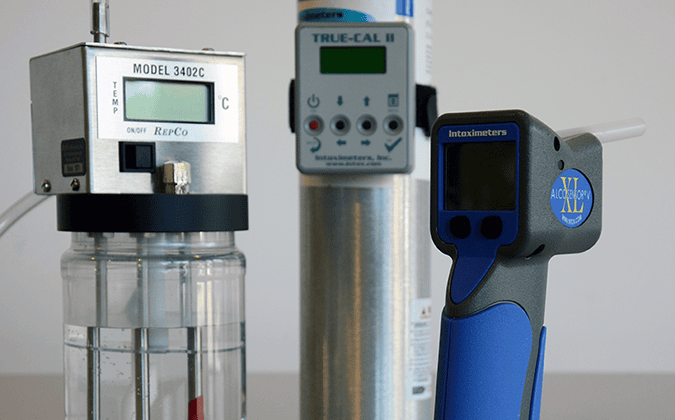
Purchase Calibration Equipment and Establish Quality Controls
Reliable equipment requires ongoing verification. An external calibration check, often called an accuracy check, evaluates the instrument’s accuracy against a known alcohol standard. A calibration adjustment changes the instrument’s response when necessary.
Calibration checks and calibration adjustments are separate procedures that are covered in BAT training. BAT qualification alone should not be treated as authorization to perform every maintenance or calibration task. Read our article, “Breathalyzer Calibration Matters: Tips for Ensuring Accuracy”.
Under §40.233, the manufacturer’s quality assurance plan, or QAP, establishes requirements for external calibration checks, tolerances, inspection, maintenance, and calibration. Follow the applicable manufacturer instructions and training requirements rather than assuming one universal schedule applies to all instruments.
Assemble a Compatible Accuracy Check Setup
Depending on the instrument and manufacturer’s instructions, the setup may include a dry gas standard and compatible regulator, or a wet bath simulator with appropriate solution.
Dry gas standards are the preferred method for performing accuracy checks and calibration adjustments. It’s important to consult with a representative about the best alcohol concentration for your testing application, along with best regulators, proper tank storage and disposal. Proper BAT training will address atmospheric-pressure adjustments where applicable and proper quality check documentation procedures.
Maintain a device-specific log identifying the instrument, technician, date, standard, expected value, and result. Assign someone to monitor dry gas tank expiration dates and monthly accuracy checks. Intoximeters
Only use calibration equipment meeting applicable DOT requirements. If an EBT fails an external calibration check, remove it from DOT service until it is calibrated and passes another accuracy check. Ensure maintenance and calibration are performed by personnel meeting §40.233 requirements.
A backup arrangement protects service continuity while equipment is unavailable.
Stock Testing Supplies Before Launch
Small supply shortages can interrupt an otherwise prepared program. Establish reorder points for:
- Instrument-specific, individually packaged mouthpieces.
- Current DOT Alcohol Testing Forms (ATFs).
- Compatible printer paper.
- Tamper-evident tape when required for attaching printouts.
- Batteries and power accessories.
- Calibration dry gas standards.
- Approved cleaning materials and secure record storage.
Confirm what the equipment package includes and what requires a separate purchase. Maintain separate forms and workflows for non-DOT testing.
Plan supplies around confirmation encounters as well as screenings. Additional tests, quality checks, training, and troubleshooting also consume inventory.
Include those uses when estimating monthly costs. Read “Starting a Drug and Alcohol Testing Business: Equipment, Training and Compliance Checklist” article for more information.
Put DOT Testing Compliance Into the Daily Workflow
Written procedures should guide the encounter from employer authorization through confidential delivery of results. Staff should know where to find instructions and whom to contact when something goes wrong.
Confirm the Order and Employer Contact
Confirm the employee’s name and their ID number, the testing reason, and whether the order is DOT or non-DOT. Obtain the employer’s designated employer representative (DER) contact information before testing. The DOT requires the employer to provide you with this information.
Having the DER’s current information helps the technician resolve problems and communicate time-sensitive results.
Expand Revenue Opportunity with Drug Testing Services
Adding drug testing alongside alcohol testing can broaden your practice’s occupational-health offering and give employers a convenient location for both services. Depending on local demand, your clinic could provide specimen collection for laboratory testing, non-DOT rapid testing, or a combination of services supported by appropriate training and procedures.
Offering both services may help attract employer accounts, encourage repeat referrals, and make better use of existing space and administrative resources. Employers benefit from fewer vendor relationships and simpler scheduling, while your practice gains additional billable services. AlcoPro’s specimen collector training and drug-testing supplies can support this expansion as you establish the staffing, laboratory relationships, and compliance procedures appropriate to your services.
Protect Results and Maintain Records
DOT alcohol testing uses the federal alcohol test form (ATF) and required test printouts. Complete the relevant steps, signatures, remarks, and distribution procedures accurately.
Transmit results directly to the DER under §40.255. Establish a secure process that staff can follow during evenings, weekends, and other periods when routine office contacts may be unavailable. Part 40 also restricts disclosure to unauthorized third parties. Do not assume a general clinic release authorizes every disclosure of DOT testing information.
Set record-retention responsibilities in the employer agreement and clinic procedures. Part 40 specifies two-year retention for EBT inspection, maintenance, and calibration records; other records have different retention periods.
Launch With a Documented Readiness Review
Before accepting employer referrals, conduct a complete rehearsal. Verify staff qualifications, equipment operation, printing, forms, accuracy-check records, confirmation coverage, confidential communication, and billing.
Walk through an uncomplicated screening, a screening requiring confirmation, and an equipment failure. Identify who owns each decision and where the technician obtains help.
Then introduce the service to existing employer clients with clear hours, appointment instructions, contact details, and pricing. A dependable process gives employers a stronger reason to return than an unsupported promise of speed.
AlcoPro can help clinics select workplace breath alcohol equipment, arrange instrument-specific BAT training, and obtain calibration equipment and testing supplies. Request a service-specific quotation so your practice can budget for the full operation.
Frequently Asked Questions
Can a medical assistant become a BAT?
Yes, provided the individual completes the applicable DOT qualification and proficiency requirements. Eligibility depends on meeting those requirements, rather than holding a particular clinical job title.
Can alcohol testing be added alongside DOT physicals?
Yes, as a separately organized service. A medical examination and a DOT alcohol test serve different purposes; do not treat every physical appointment as authorization for alcohol testing.
How soon can a practice start?
The timeline depends on equipment availability, completed staff qualification training, quality-control preparation, and operational readiness. Begin accepting DOT tests only after those elements are in place.
Does buying a DOT breathalyzer make the clinic compliant?
No. Compliance also depends on qualified personnel, correct screening and confirmation procedures, equipment care, documentation, and confidential communication.