
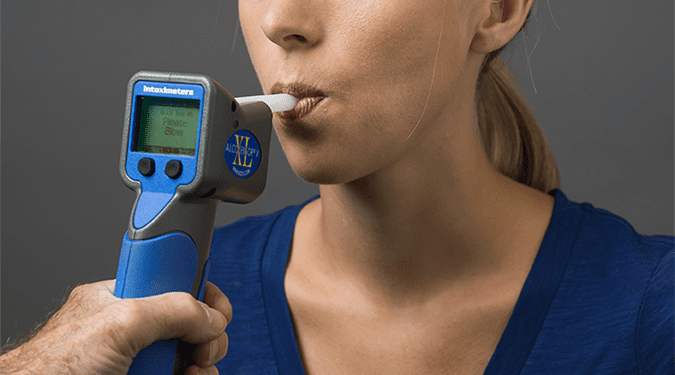
Workplace alcohol testing plays a critical role in protecting employees, the public, and businesses from the risks associated with alcohol impairment on the job. For Designated Employer Representatives (DERs), HR managers, and workplace safety professionals, choosing the best breathalyzer for workplace alcohol testing is about much more than convenience. It is about accuracy, defensibility, compliance, and confidence in every test result.
Whether a company operates under Department of Transportation (DOT) regulations or manages a non-DOT workplace testing program, professional-grade workplace alcohol testing devices are increasingly viewed as essential safety tools. Employers today face heightened concerns surrounding liability exposure, workplace incidents, insurance risks, and employee safety. In many situations, inaccurate alcohol testing results can impact both public safety and an employee’s livelihood.
This guide explains what employers should look for when selecting workplace alcohol testing devices, why DOT-compliant breathalyzers are commonly used outside regulated industries, and why fuel cell breathalyzer technology remains the preferred standard for professional alcohol testing programs.
Why Workplace Alcohol Testing Matters
Alcohol impairment in the workplace can create serious risks for employers and employees alike. Even small amounts of alcohol impairment can affect judgment, reaction time, coordination, and decision-making abilities. In safety-sensitive environments, those impairments can lead to injuries, accidents, property damage, or fatalities.
For employers, workplace alcohol testing helps support:
- Safer work environments
- Reduced accident risks
- Improved regulatory compliance
- Lower liability exposure
- Better protection for employees and the public
- Stronger workplace safety cultures
DOT-regulated employers are required to follow strict alcohol testing procedures under federal guidelines. However, non-DOT employers are also increasingly implementing workplace alcohol testing programs to improve safety and reduce operational risk.
Today, many employers recognize that professional alcohol testing is not just about compliance. It is also about maintaining reliable documentation, protecting employees from inaccurate results, and ensuring workplace decisions are based on defensible evidence.
What Makes a Breathalyzer Suitable for Workplace Alcohol Testing?
Not all breathalyzers are appropriate for professional workplace use. While consumer breathalyzers may be suitable for personal awareness or recreational use, workplace alcohol testing requires a much higher level of reliability and performance.
Choosing the right device depends on the type of testing program being conducted, the level of defensibility required, and how often the device will be used.
The best workplace breathalyzers should provide:
Accuracy and Repeatability
A professional workplace breathalyzer should consistently produce accurate test results over repeated testing sessions. Reliability is critical when testing outcomes may influence disciplinary actions, return-to-duty decisions, or workplace investigations.
Calibration Stability
Professional breathalyzers are designed to maintain calibration or accuracy stability over extended periods of use, provided the operator adheres to the device manufacturer’s Quality Assurance Plan. Frequent device calibration checks ensure consistent performance and minimize testing inconsistencies. This includes the ability to bring the instrument into accuracy range if the device. Professional-grade breathalyzers for workplace testing are capable of being re-calibrated should the device fall outside of an allowable accuracy check tolerance.
Fast Test Turnaround
In busy workplace environments, alcohol testing programs must operate efficiently. Breathalyzers with fast warm-up times and rapid test processing allow employers to conduct testing without unnecessary delays or operational disruptions.
Evidential-Quality Testing
Employers require evidential-quality instruments that provide highly reliable and defensible test results. In situations involving workplace incidents, disciplinary actions, or legal proceedings, evidential-quality testing can help support confidence in the testing process and withstand legal pushbacks.
Documentation Capabilities
Professional workplace alcohol testing devices often include printout capabilities that improve recordkeeping and testing documentation. Clear documentation can support compliance efforts, internal audits, and workplace investigations.
Professional-Grade Reliability
When public safety and employee livelihoods are involved, professional-grade reliability matters. Workplace alcohol testing devices should be durable, dependable, and designed for long-term use in demanding environments.
Why DOT-Compliant Breathalyzers Are Widely Used Outside DOT-Regulated Industries
Although DOT regulations apply specifically to federally regulated transportation industries, many non-DOT employers voluntarily choose DOT-compliant breathalyzers for workplace alcohol testing programs.
There are several reasons for this trend.
DOT Standards Are Viewed as the Industry Benchmark
DOT-compliant alcohol testing devices must meet strict performance and accuracy standards established by federal agencies. Employers often view these requirements as the gold standard for workplace alcohol testing reliability.
NHTSA Accuracy Standards Provide Additional Confidence
DOT-approved devices have already met stringent accuracy measures established by governing agencies such as the National Highway Traffic Safety Administration (NHTSA). This provides employers with additional confidence that their workplace alcohol testing devices meet recognized professional standards.
Reduced Liability Exposure
Inaccurate alcohol testing can create serious legal and HR complications. Employers who use professional DOT-compliant devices may reduce liability exposure by relying on testing equipment designed specifically for professional alcohol screening.
Consistency Across Workplace Testing Programs
Many organizations operate across multiple states, locations, or business units. Standardizing workplace alcohol testing procedures with DOT-compliant devices helps improve consistency throughout the organization.
Increased Confidence in Workplace Decisions
Alcohol testing results can directly affect employment decisions, workplace investigations, and return-to-duty determinations. Using professional workplace alcohol testing devices helps employers maintain confidence in the accuracy and defensibility of those decisions.
For these reasons, DOT-compliant fuel cell breathalyzers are now commonly used in both DOT-regulated and non-DOT workplace testing programs.
Fuel Cell vs Semiconductor Breathalyzers for Workplace Alcohol Testing
Fuel cell breathalyzers are widely recognized as the preferred standard for workplace alcohol testing because they are specifically designed to detect alcohol with a high degree of accuracy and specificity.
Fuel cell technology is commonly used in:
- DOT alcohol testing
- Workplace testing programs
- Law enforcement
- Corrections and probation programs
- 24/7 sobriety monitoring
- Safety-sensitive industries
Fuel cell instruments are valued for their portability, reliability, ease of use, and strong long-term performance in repeated testing environments.
Semiconductor Breathalyzers
Semiconductor breathalyzers are commonly sold for personal use because they are inexpensive and simple to manufacture. However, they are generally not recommended for workplace alcohol testing programs because they can be affected by environmental contaminants and may not provide the consistency required for evidential or safety-sensitive testing.
For employers, the difference in technology matters because alcohol testing results may influence disciplinary actions, return-to-duty decisions, workplace investigations, or legal proceedings.
Using a reliable fuel cell or infrared-based instrument helps improve confidence in the testing process while reducing the risk of inaccurate results.
Fuel Cell vs Semiconductor Comparison Table
| Feature | Fuel Cell Breathalyzer | Semiconductor Breathalyzer |
|---|---|---|
| Accuracy | High, professional-grade | Low accuracy |
| Specificity to Alcohol | Highly specific | May react to other compounts |
| DOT Compliant | Meets DOT specifications | Unsuitable for DOT testing |
| Calibration Stability | Longer-lasting calibration with checks performed by the operator | Requires frequent calibration checks performed by the manufacturer |
| Cost | Higher upfront investment | Low initial cost |
| Best Use Case | Law enforcement, workplace testing | Personal use |
| Reliability in Safety-Sensitive Testing | Excellent | Generally unreliable |
Why Fuel Cell Breathalyzers Are Preferred
Professionals widely consider fuel cell breathalyzers the standard for workplace alcohol testing because these devices are specifically designed to detect alcohol accurately. Unlike semiconductor sensors, fuel cell sensors are far less likely to react to substances other than alcohol. This helps reduce the risk of inaccurate readings caused by environmental contaminants or other compounds.
For employers managing workplace testing programs, fuel cell breathalyzers provide:
- Greater testing accuracy
- Better long-term reliability
- Improved defensibility
- Better suitability for safety-sensitive testing
Because workplace alcohol testing can affect employment status and workplace safety, many employers prioritize fuel cell breathalyzer technology over lower-cost alternatives.
Key Features to Look for in the Best Workplace Breathalyzers
When evaluating workplace alcohol testing devices, employers should focus on features that improve accuracy, compliance, reliability, and long-term usability.
DOT Compliance
DOT-approved evidential breathalyzers provide employers with added confidence that their devices meet recognized testing standards. Even non-DOT employers frequently choose DOT-compliant instruments because of their reputation for reliability and accuracy.
Fuel Cell Sensor Technology
Fuel cell breathalyzers offer professional-grade alcohol specificity and improved accuracy compared to consumer-oriented semiconductor devices. For workplace alcohol testing programs, fuel cell technology is often the preferred choice.
Evidential Quality Results
Evidential-quality instruments provide highly reliable results capable of holding up in a court of law. This becomes particularly important when workplace alcohol testing results may be challenged or used during legal proceedings.
Test Printouts for Documentation
Printed test results help support workplace documentation and recordkeeping efforts. Documentation capabilities can assist employers during audits, investigations, or disciplinary processes. DOT workplace testing programs must use a breathalyzer capable of producing a printout of a DOT confirmation test result.
Ease of Calibration
Breathalyzers require regular calibration to maintain accurate performance. Employers should look for workplace alcohol testing devices with stable calibration intervals and accessible calibration support.
Longer Field Use
Professional workplace breathalyzers are designed for extended field use and repeated testing. Durable construction and long-term reliability help reduce downtime and replacement costs.
Best Warranties
Strong manufacturer warranties can provide additional protection for employers investing in professional workplace alcohol testing devices. Warranty coverage may also help reduce long-term maintenance expenses.
Portability and Durability
Portable workplace breathalyzers allow employers to conduct testing in multiple locations while maintaining operational flexibility. Rugged designs help ensure reliable performance in demanding workplace environments.
Fast Warm-Up and Testing Times
Fast testing speeds improve efficiency and reduce operational disruptions during workplace alcohol testing procedures.
Professional Breathalyzers Commonly Used for Workplace Alcohol Testing
Professional workplace alcohol testing programs often rely on fuel cell breathalyzers designed specifically for regulated testing environments.
Intoximeters Alco-Sensor instruments lead many professional workplace alcohol testing programs because they use advanced fuel cell technology, deliver reliable performance, and meet the demands of regulated alcohol testing environments.
Employers in these industries commonly select professional-grade devices, such as the Alco-Sensor VXL for workplace alcohol testing:
- Transportation
- Manufacturing
- Construction
- Energy, utilities, mining
- Healthcare
- Education
- Probations and corrections
For employers implementing workplace alcohol testing programs, choosing professional-grade equipment can help improve confidence in testing outcomes while supporting workplace safety initiatives.
Why Accuracy Matters in Workplace Alcohol Testing
Accuracy is one of the most important considerations in any workplace alcohol testing program. An inaccurate alcohol test can affect:
- Employee livelihoods
- Workplace investigations
- Company liability exposure
- Public safety outcomes
- Insurance risks
- Regulatory compliance efforts
False positives and false negatives both create serious concerns for employers. A false positive could improperly affect an employee’s career or reputation. A false negative could allow an impaired employee to continue performing safety-sensitive duties.
Because of these risks, many organizations prioritize professional-grade workplace alcohol testing devices with fuel cell technology and evidential-quality testing capabilities.
Reliable calibration practices, professional operator training, and high-quality testing equipment all contribute to more accurate and defensible alcohol testing programs.
Common Mistakes Employers Make When Choosing Workplace Alcohol Testing Devices
Selecting the wrong workplace alcohol testing device can create operational and legal challenges. Employers should avoid several common mistakes when implementing alcohol testing programs.
Choosing Low-Cost Consumer Devices
Consumer breathalyzers are not designed for workplace testing environments. Lower-cost devices lack the accuracy, calibration stability, and documentation capabilities needed for professional testing.
Ignoring Calibration Check Requirements
Even high-quality breathalyzers require regular quality control measures to maintain their accuracy. Employers who neglect monthly calibration check (accuracy check), maneuvers risk the device falling outside of allowable accuracy tolerance ranges. The manufacturer’s Quality Assurance plan outlines calibration check schedules and required methods.
Using Non-Evidential Devices
Non-evidential devices may not provide the level of reliability or defensibility required for workplace testing programs. Employers should carefully evaluate whether their testing equipment is appropriate for professional workplace use.
Overlooking Operator Training
Proper testing procedures are essential for accurate workplace alcohol testing. Employers should ensure that designated testing personnel receive thorough breath alcohol training on device operation, testing protocols, and in the case of DOT testing, procedural training in federal regulations.
Failing to Document Testing Properly
Incomplete documentation can create complications during audits, investigations, or disciplinary proceedings. Professional workplace alcohol testing devices with printout capabilities can help improve recordkeeping practices.
Frequently Asked Questions About Workplace Alcohol Testing Breathalyzers
What is the best breathalyzer for workplace alcohol testing?
The best workplace breathalyzers typically use fuel cell sensor technology, provide evidential-quality results, and meet DOT or professional testing standards.
Are fuel cell breathalyzers more accurate?
Yes. Fuel cell breathalyzers are generally more accurate and alcohol-specific than semiconductor devices, making them the preferred choice for workplace alcohol testing programs.
Do non-DOT employers need DOT-approved breathalyzers?
Although federal regulations do not require non-DOT employers to use DOT-approved devices, many employers voluntarily choose them for their accuracy, reliability, and defensibility.
How often should workplace breathalyzers be calibrated?
Calibration schedules vary by manufacturer and usage frequency. Employers should follow manufacturer recommendations outlined in the Quality Assurance Plan (QAP) to maintain breathalyzer accuracy.
What is the difference between evidential and screening breathalyzers?
Evidential-quality breathalyzers deliver highly reliable results suitable for professional testing programs and generate evidence that stands up in court, while professionals often use screening devices for preliminary alcohol detection.
Can consumer breathalyzers be used for employee testing?
AlcoPro does not recommend consumer breathalyzers for workplace alcohol testing because these devices lack the accuracy, calibration stability, and documentation capabilities required for professional use.
Final Thoughts: Choosing the Best Breathalyzer for Workplace Alcohol Testing
For employers managing workplace alcohol testing programs, selecting the right breathalyzer is about more than convenience or cost. It is about protecting employees, maintaining workplace safety, supporting compliance efforts, and ensuring confidence in every test result.
Professional fuel cell breathalyzers remain the preferred choice for many DOT and non-DOT workplace alcohol testing programs because they provide:
- Greater accuracy
- Better long-term reliability
- Improved documentation
- Stronger defensibility
- Better suitability for safety-sensitive environments
Organizations that prioritize professional-grade workplace alcohol testing devices can help reduce liability exposure, strengthen workplace safety programs, and support more reliable testing outcomes.
For employers seeking dependable workplace alcohol testing solutions, professional Intoximeters workplace breathalyzers provide fuel cell accuracy, professional-grade performance, and reliable testing capabilities designed for demanding workplace environments.